

One slow lap triggered a software trap. The Bahrain Grand Prix start collapsed into a 40-minute wait. An emergency update got the race moving again.
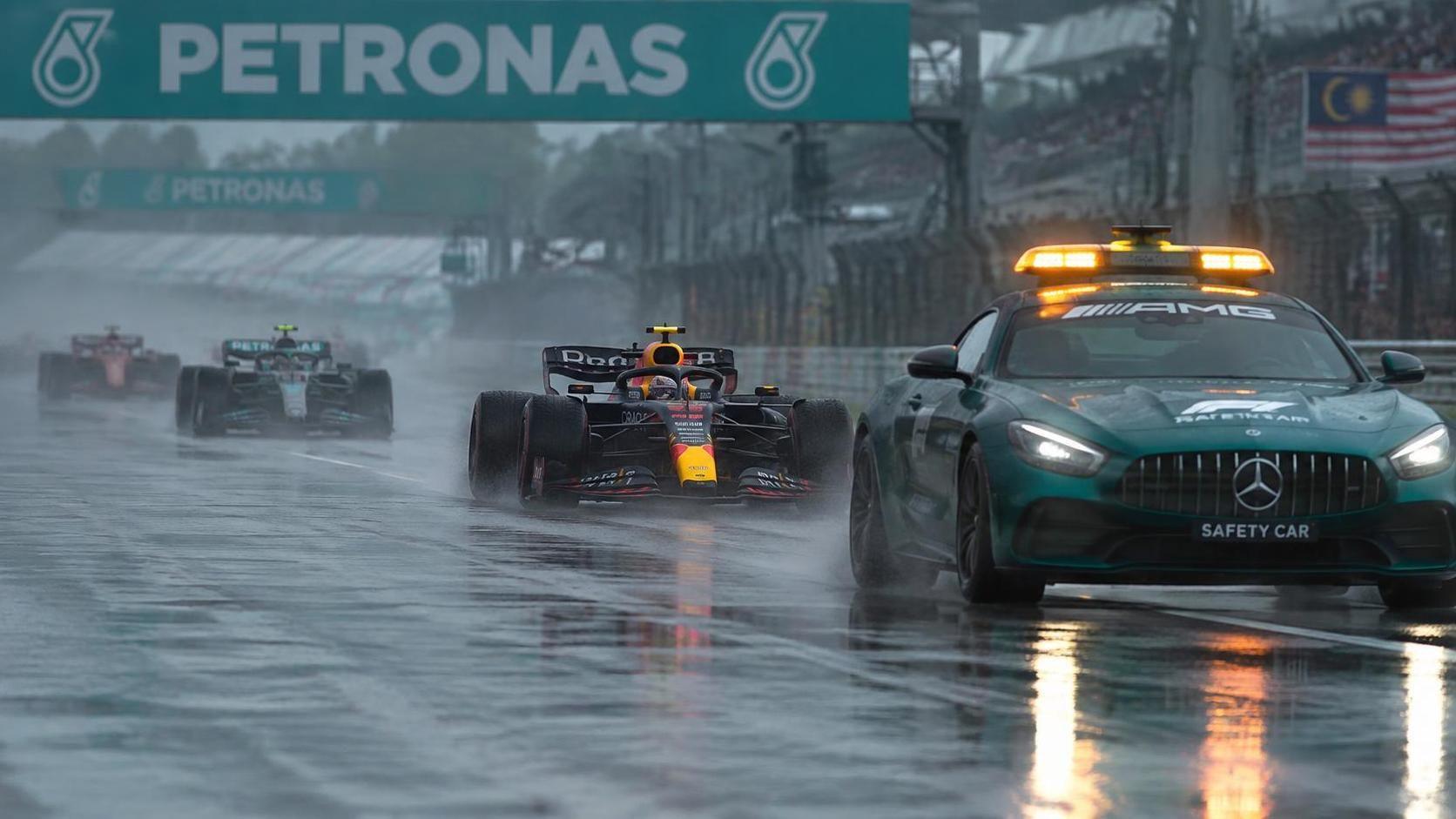
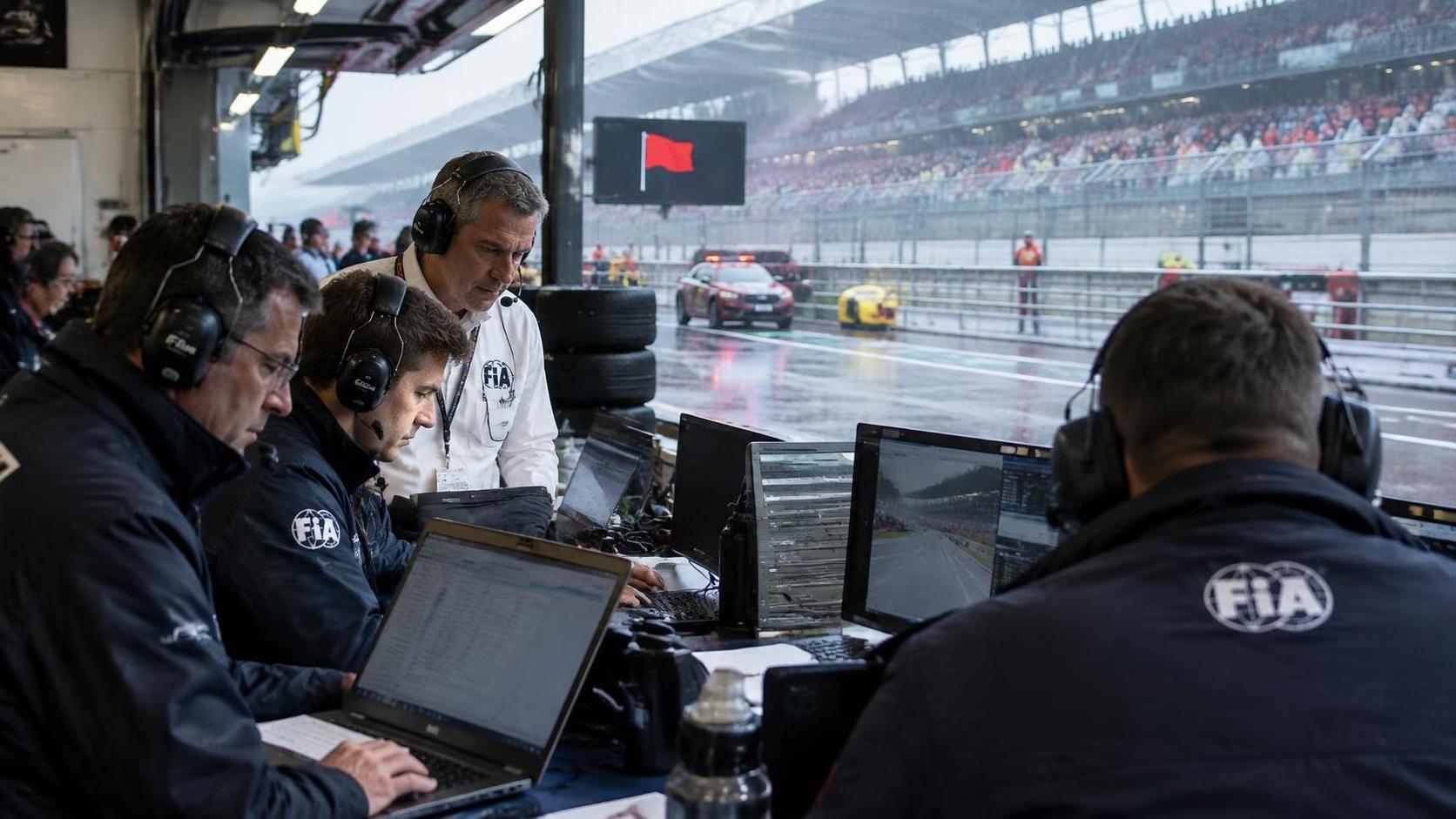
Formula One’s first wet-weather race of the 2026 season lurched into chaos at Sepang when cars lost power on the formation lap behind the safety car. Max Verstappen suffered first, then Lewis Hamilton stopped, with several other drivers caught in the same power-delivery problem. Race control abandoned the lap and showed the red flag.
The delay lasted 40 minutes as teams installed an emergency software fix supplied by the FIA. FIA single-seater director Nikolas Tombazis later said a software bug—not a timing system failure—prevented some cars from redeploying electrical power after slowing to a crawl. The Bahrain Grand Prix in Malaysia eventually got under way, but its start exposed a gap between testing conditions and the reality of a wet race.
How the FIA software glitch stranded cars at Sepang
The bug emerged when the formation lap’s stop-start rhythm pushed some cars into exceptionally low speeds. Verstappen, at the front, slowed sharply; the concertina effect behind him forced other drivers to brake harder, and only cars that crossed particular minisectors at those speeds entered the software loop. That explains why the fault did not affect every car—or appear tied to one power-unit manufacturer.
Wet-weather running reduced electrical output to 250kW, but the system had not been tested at safety-car pace. Oliver Bearman described a throttle pedal that felt disconnected while the engine idled. The FIA’s early theory was that the software diverted throttle input towards recharging the MGU-K, though engineers had not yet confirmed why the internal-combustion engine also seemed unresponsive.
Emergency software fix restored power—and the start
FIA engineers identified the fault quickly and removed the energy-limit restriction in the minisectors where cars had fallen into the loop. It was a targeted workaround, not a full redesign: the teams installed the updated software during the stoppage, then race control prepared the restart. Tombazis said the rushed response aimed to preserve safety and sporting fairness while getting the field moving again.
The incident sits alongside wider questions about how teams manage electrical deployment in the 2026 ruleset. A recent look at Mercedes’ deployment challenges shows how much performance now depends on energy control. But this was a distinct technical malfunction: the FIA software glitch trapped cars at low speed, rather than exposing a team-specific strategy error.
FIA investigation targets the next Grand Prix recovery
The FIA has opened a FIA investigation into why its multi-year software development missed this scenario. Teams including Red Bull and Racing Bulls had tested the wet-weather function, but not at the near-stationary speeds created by a safety-car formation lap. Tombazis acknowledged that more testing might have caught the flaw before the race.
He said the specific bug should not recur, while stopping short of promising that complex software could never produce another fault. The governing body still needs a full debrief and broader validation under low-speed wet conditions; that work will shape the next Grand Prix recovery and guard against another race disruption. Further updates and paddock reporting are available through LAS Motorsport’s F1 coverage.