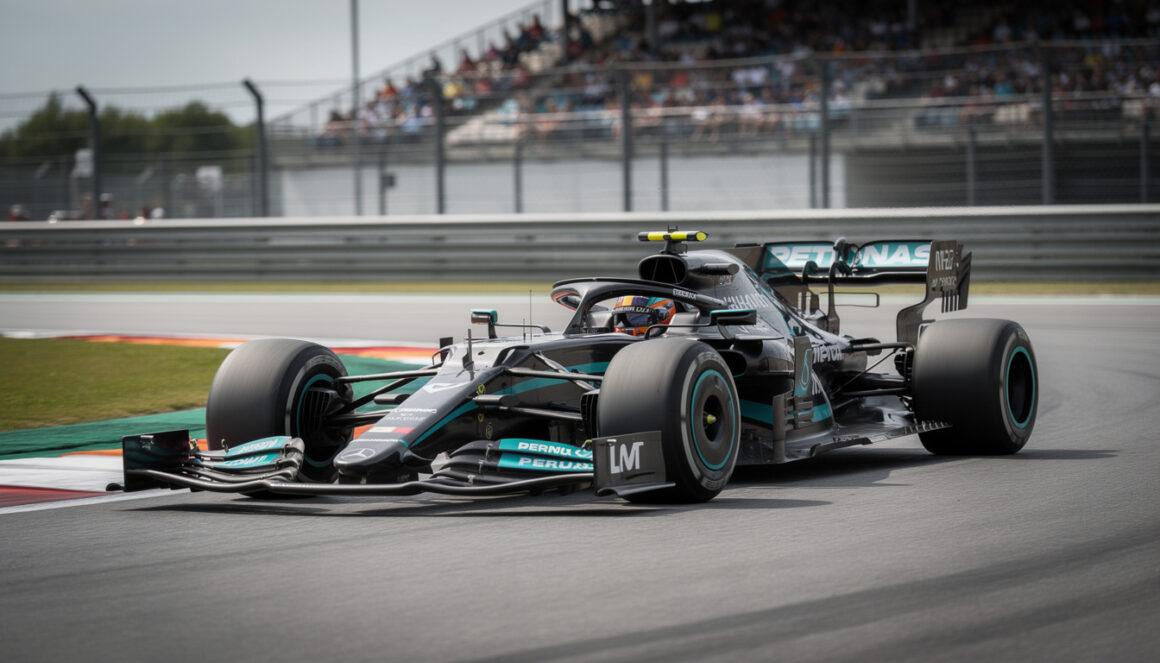
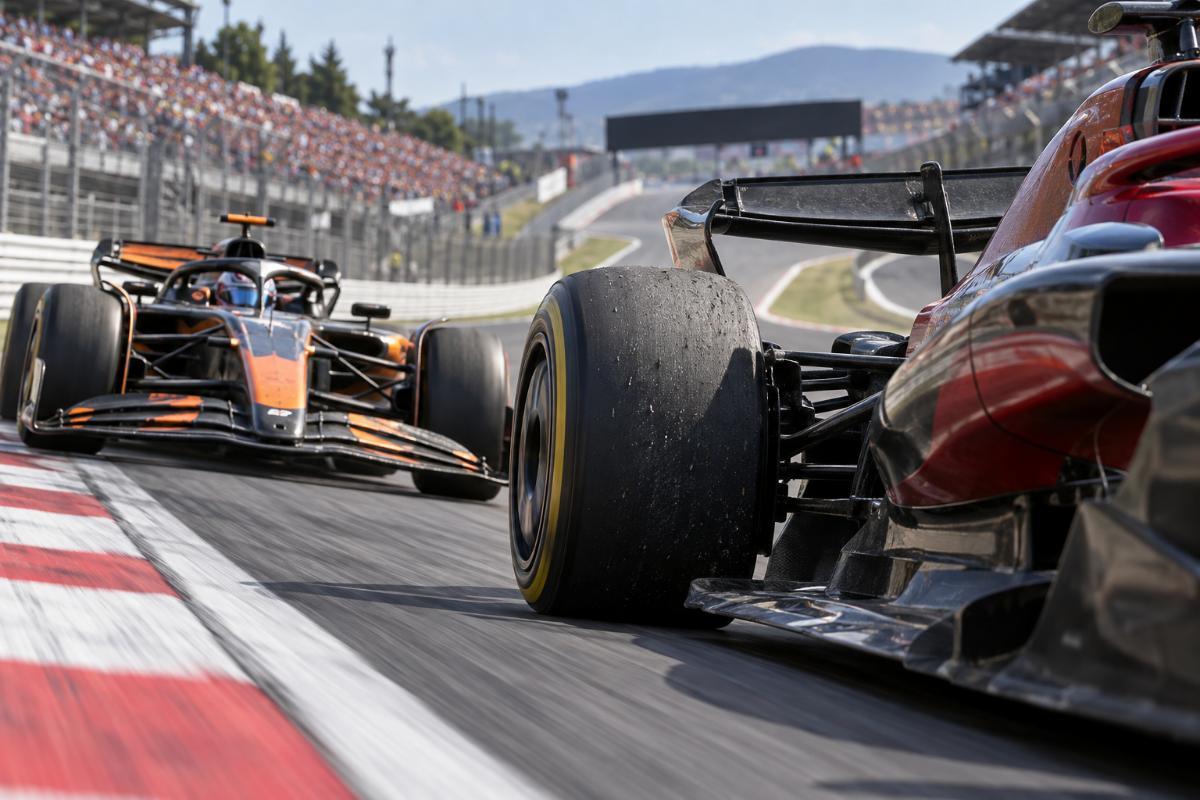

A pole lap can turn heads, but race points decide where the field stands after the chequered flag falls on race day. Across the season, modest points finishes can build a lead that puts pressure on other F1 Drivers.
A driver can leave a weekend with a trophy and arrive at the next still chasing the championship leader. Elsewhere, a quiet 6th place can close a gap if a rival retires. Those shifts look surprising until you follow the points from each race and sprint. The table rewards results across the calendar, with a set procedure for equal scores.
How do race points shape standings?
After each Grand Prix, the table adds points earned by finishers to their totals and revises their championship positions. A result that closes the gap may also shift F1 title betting odds as expectations for the final champion change. Those odds look ahead; the ranking records results already earned. The following race can change both, but only points decide position.
Normally, the winner collects 25 points, compared with 18 for 2nd and 15 for 3rd. From there, the awards fall to 12, 10, 8, 6, 4, 2 and 1 for 10th. That 7-point gap gives victory real weight, yet a string of lower finishes can beat isolated highs. Each finish in the points adds to the total over a season.
The finishing order does not settle points as soon as the chequered flag falls. A time penalty can drop a driver behind a rival, while a disqualification can remove a result. Once officials confirm the final race classification, the revised points feed into the championship table. That is why a position on the road can differ from the official result.

How do sprints rank F1 Drivers?
Across 6 scheduled weekends in 2026, a sprint adds another chance to score points before the Grand Prix. Its winner takes 8 points, with 7 for 2nd and 1 for 8th. That makes Saturday more than a warm-up, especially when title rivals sit close together in the championship. Even 1 point on Saturday can change the order of F1 Drivers.
A sprint and a Grand Prix have separate classifications, so a sprint result does not decide the main race. A driver might collect no sprint points and win 25 in the main race. Conversely, someone who scores in both sessions can extend a lead without winning either. The table records both results once officials settle any penalties from each event.
Qualifying shapes the grid, but pole position itself adds no championship points. The same applies to the fastest race lap under current rules. Those achievements can signal pace, yet the standings reflect where a driver finishes and how many points that finish earns. A quick qualifying lap matters most when the driver turns a better starting spot into race points.
How are equal scores separated?
Equal point totals can leave 2 rivals tied in the table. If drivers finish the season on identical totals, race wins settle ties in the countback. The driver with more wins ranks higher, despite the other’s steady scores. That makes a win valuable beyond its 7-point advantage over 2nd place whenever the final table shows a tie between F1 Drivers.
When rivals have the same number of wins, officials compare 2nd-place finishes. If those also match, they check 3rd and 4th places, then work through race results until a driver leads. Sprint victories do not replace this race countback. So an extra podium finish can settle a championship place after months in which both drivers amassed precisely the same total.
There is a fallback if every race result still leaves the drivers level. Officials apply the same sequence to qualifying results, from the best starting positions onward. Such a tie is rare at season’s end, but the rule leaves no coin toss to settle the order. The table has an answer even when points and race finishes cannot provide it.

How can positions change over time?
The gap at the top can shrink sharply in a single afternoon. After the 15th Grand Prix of 2026, the leader held 302 points and the nearest rival had 236. The margin stood at 66, down from 81 before that race. The pursuer won while the leader finished 5th, a 15-point swing that shows how quickly a cushion can thin.
Still, a lead means more when fewer races remain. Each Grand Prix carries a maximum of 25 points for a driver, and a sprint can add 8 more. To judge whether a pursuer can catch the leader, compare the gap with the points still available. A championship is secure only when no rival has a mathematical route past the leader.
Places in midfield can change quickly, though the points at stake are smaller. Normally, a 10th-place finish adds 1 point, but that point can separate drivers who arrived at the circuit with equal scores. Steady scores across weekends cushion a retirement and protect a driver’s place. Small gains decide the final order for drivers who never get near a podium.