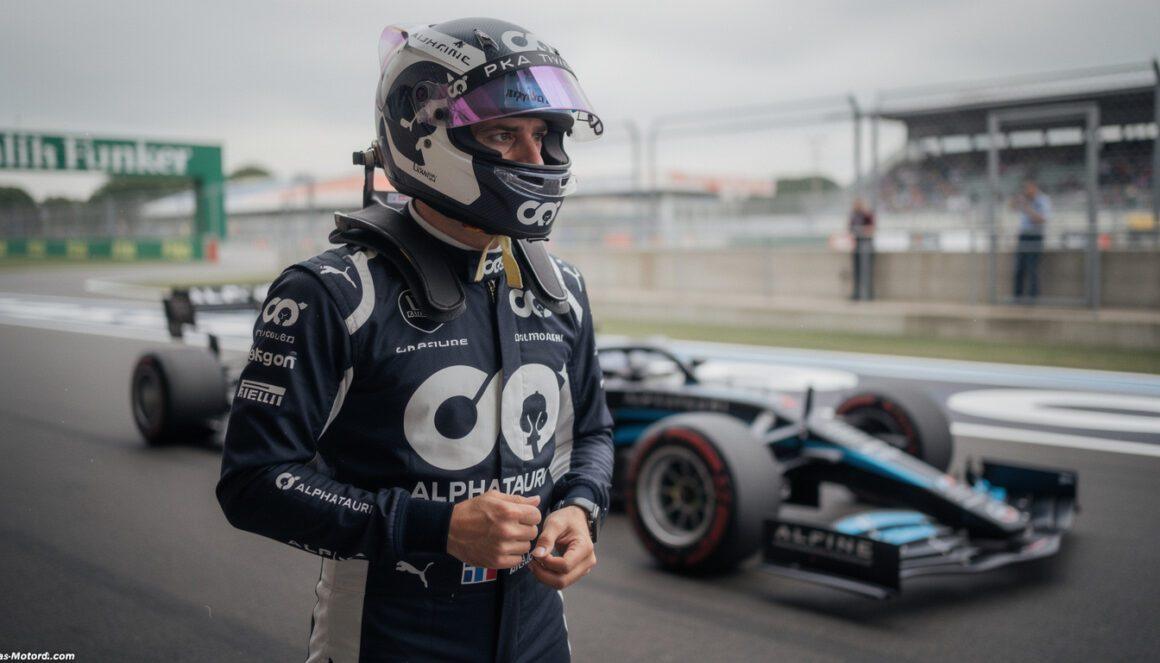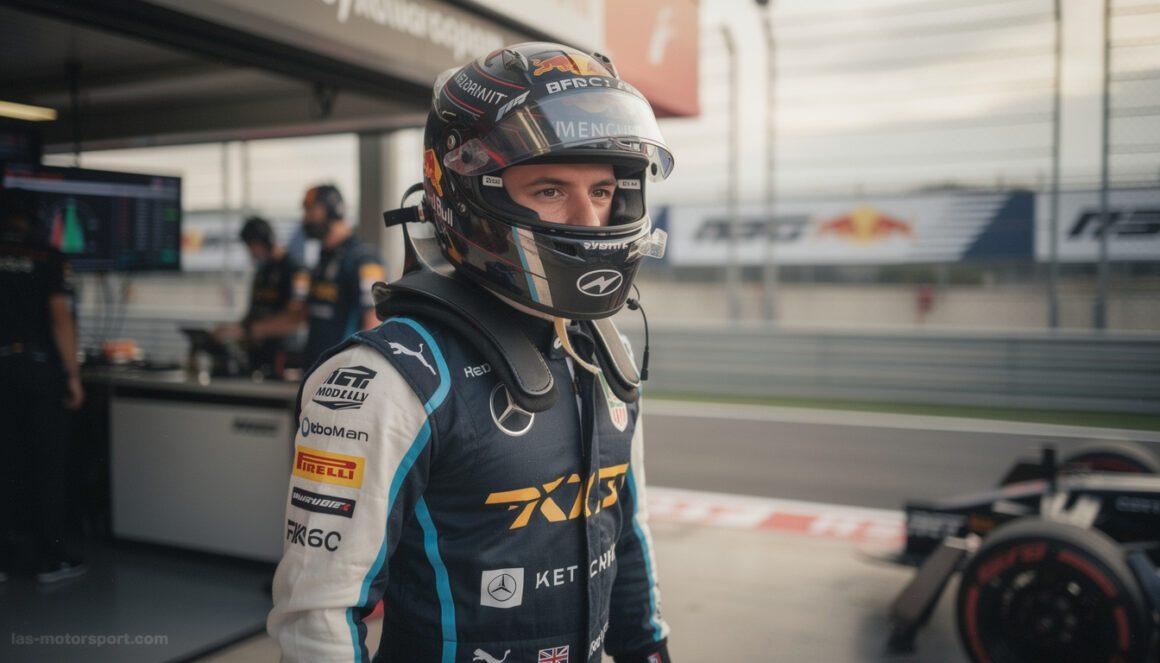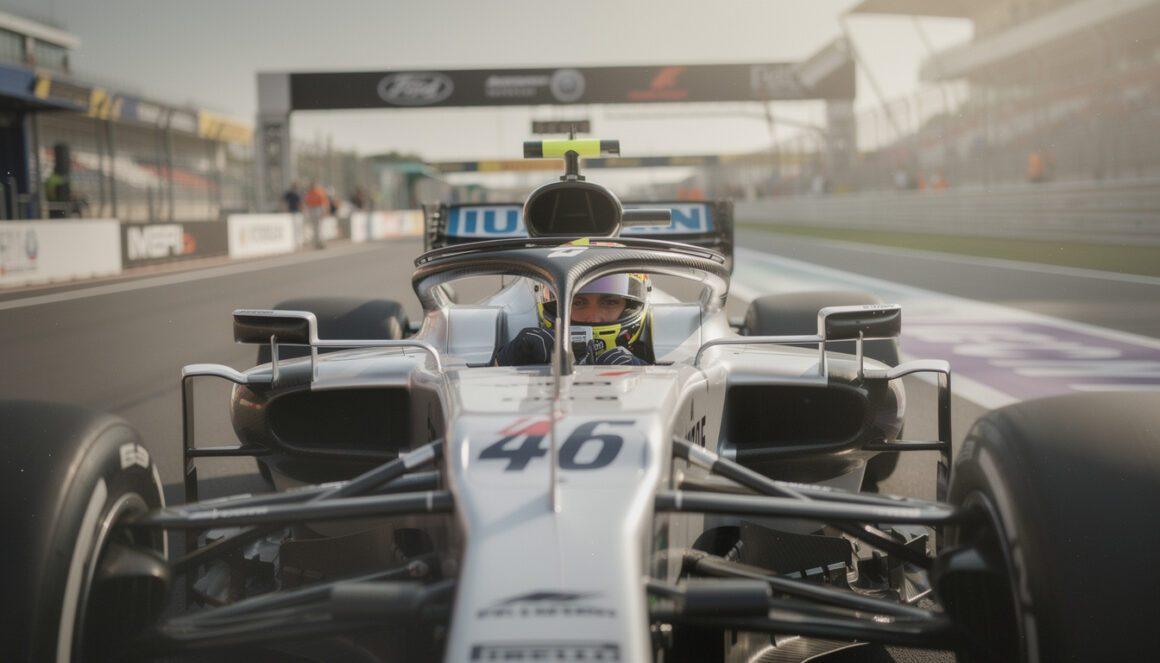


Kimi Antonelli changed tack in Baku. The Mercedes rookie chose survival over a charge. His “driving like his grandmother” line revealed a sharper racing mindset.
Kimi Antonelli left the Azerbaijan Grand Prix with fifth place, not another recovery victory. After a hydraulics problem curtailed practice and a qualifying crash put him 16th on the grid, the Italian dropped to 17th on lap one. A damaged car then forced another rethink. His grandmother remark described a deliberate mental approach: manage the damage, avoid needless risks and wait for rivals to make mistakes.
Three weeks after winning at Monza from 19th, Antonelli found no repeat route through the field at Baku. He lost 15 points to Mercedes team-mate George Russell, who cut the championship gap to 66. Rather than force the same driving style onto a different race, the 20-year-old adjusted to the car and the traffic around him. That choice offers a telling glimpse of driver development at the front of Formula 1.
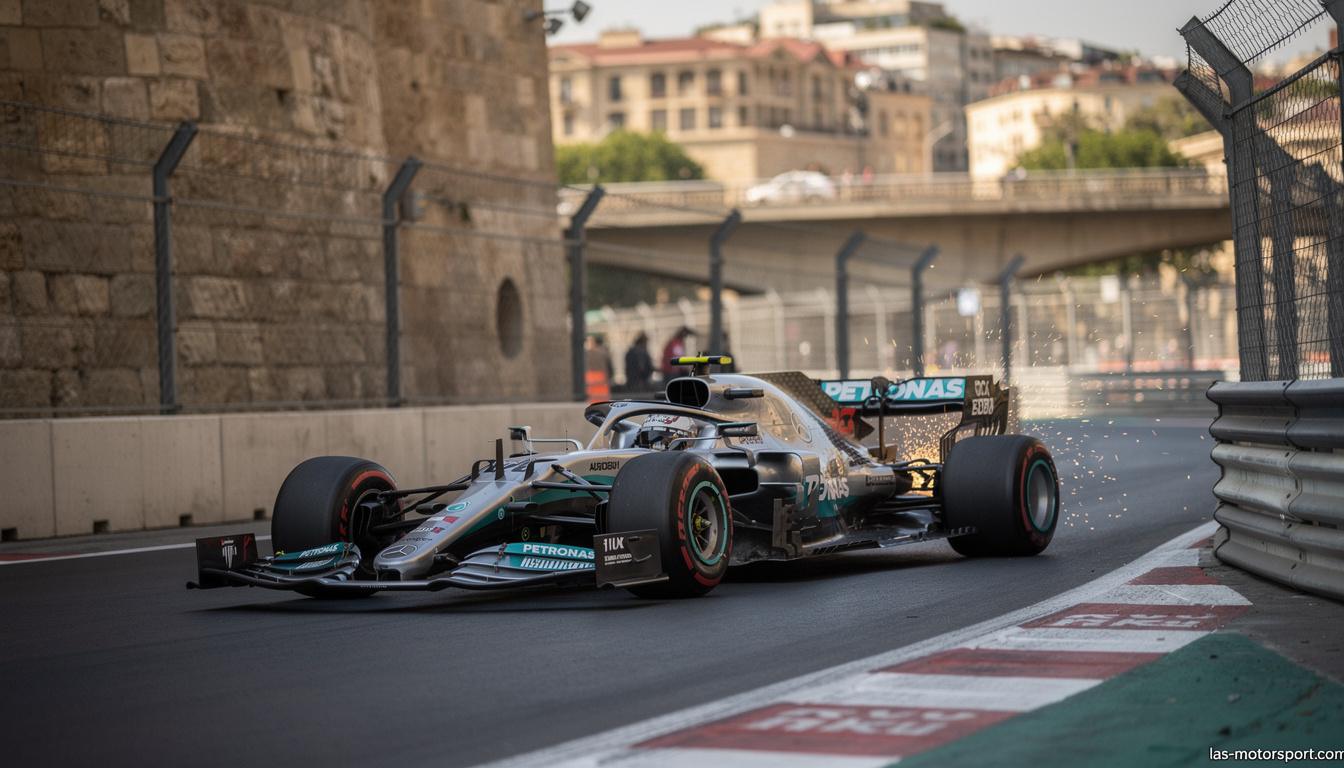
Kimi Antonelli’s Baku race: damage control after a difficult weekend
Antonelli lost valuable running when a hydraulics issue struck in first practice. A power-unit change then cost him part of FP2, leaving less time to build confidence around a circuit where barriers punish small errors. His qualifying crash was a rare misstep this season, but its effect was immediate: a 16th-place start and a long afternoon in traffic.
The race offered little room for a bold recovery. In Baku’s DRS trains, several cars could use overtake mode at once, blunting the advantage of a single attack. “I was driving a bit like my grandmother,” Antonelli said, describing what he called damage-save mode; a fifth-place finish became a result to bank, not a launchpad for another Monza-style charge.
Antonelli’s restraint also reflected how the race unfolded around him. With other drivers making mistakes, he judged that patience could bring positions without exposing his already compromised car to further contact. That was not a lack of ambition; it was an assessment of the risk-reward balance in real time.
Floor damage forced a new mental approach at Baku
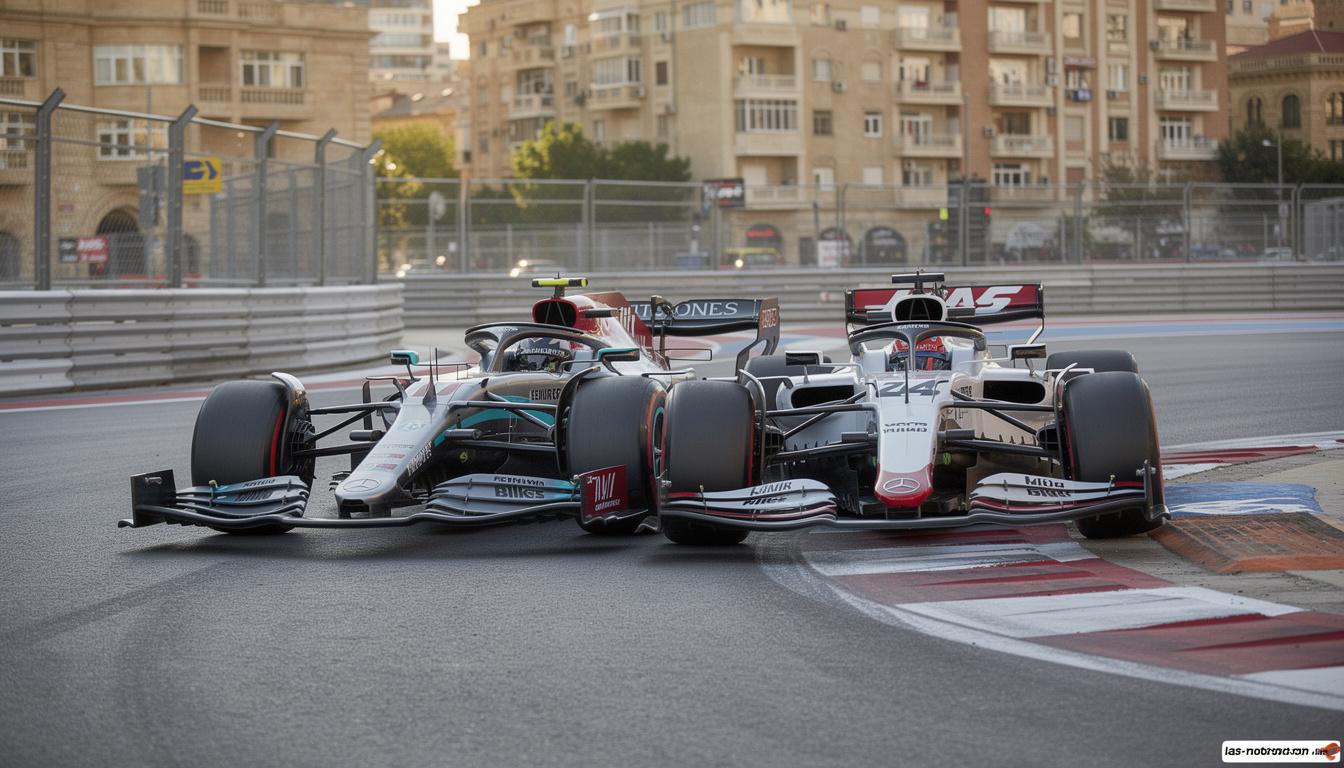
The first safety-car restart changed the picture again. After Alex Albon hit the barrier, Antonelli prepared to react to Franco Colapinto locking up at Turn 1, but he did not see Ollie Bearman arriving quickly on the inside. He cut across to avoid the Alpine and made contact with the Haas.
Antonelli said the impact removed much of the car’s left-side floor. The resulting instability made the remaining laps a test of control, not outright pace, and explains why confidence and adaptability mattered more than a headline-making lunge. His account of rebuilding belief after a comeback win offers another angle on that evolving confidence story.
What Antonelli’s racing mindset means for his Formula 1 season
The contrast with Monza was stark. There, Antonelli had the pace and opportunity to attack from 19th; in Baku, reduced performance and a damaged floor made the same plan unrealistic. Recognising that difference early was the central shift in his mental approach, and it protected a useful result while Russell took 15 points from the championship leader.
That adaptability will matter as Antonelli learns when to press and when to limit losses. His championship prospects invite attention, but Baku showed the less glamorous work behind race performance: reading traffic, managing a wounded car and accepting that fifth may be the best available finish. The grandmother line sounded playful; the decision behind it was serious.