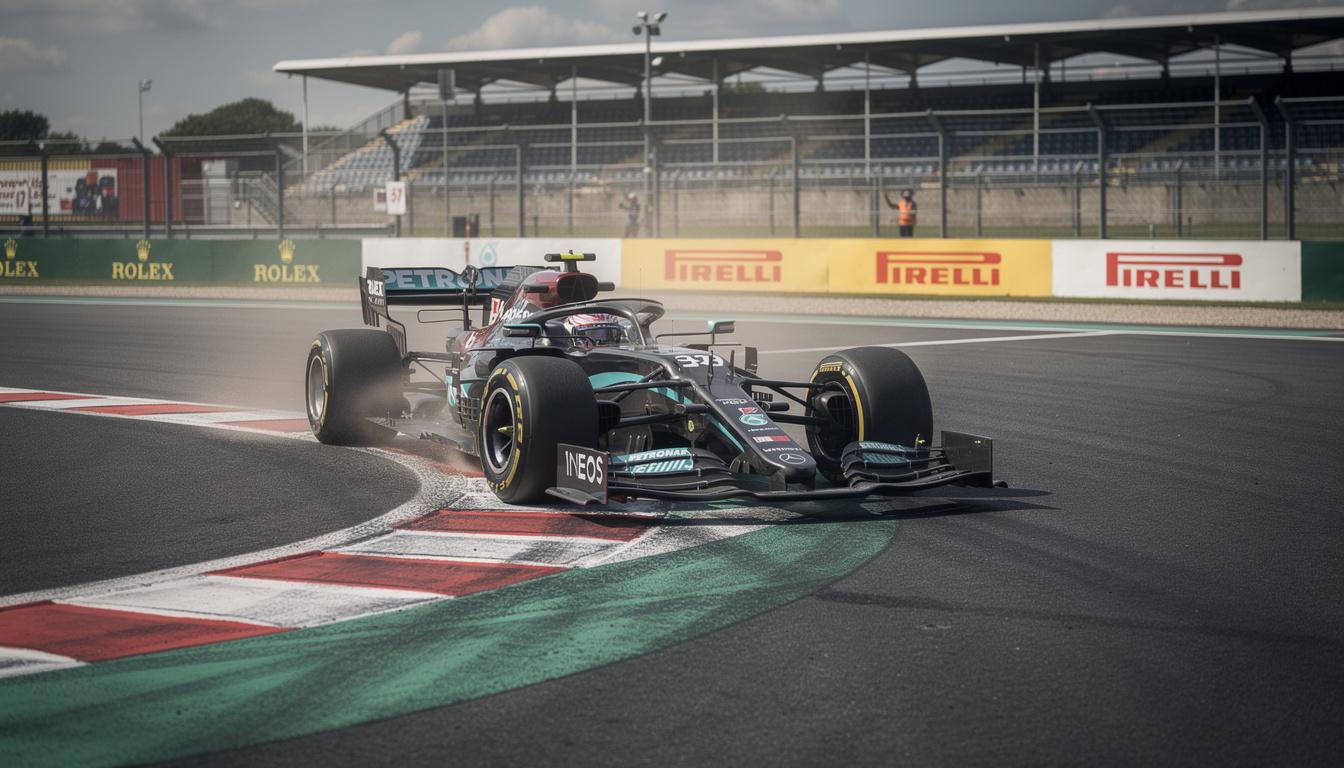

Apex cornering forms the essence of every Formula 1 driver’s pursuit of speed and precision through complex track geometry. Mastering the apex defines the boundary between competitive lap times and lost seconds, as drivers juggle braking, throttle control, and traction to navigate each curve optimally. Understanding this critical element reveals why many battles on the circuit are won or lost in corners rather than on straights.
Key points to grasp about apex cornering include: how it shapes the perfect racing line, the variations in apex choice based on corner type, and its impact on overall race performance. Tuning into the technical nuances of apex positioning offers insight into a driver’s strategy during braking and reacceleration phases. Success in apex cornering underpins top-tier racing performance and car dynamics in F1.
Apex Cornering: Understanding the Critical Racing Line Element
Achieving the optimal apex is fundamental to the perfect racing line in Formula 1. This point is where the driver is closest to the inside kerb, known as the clipping point, and represents a balance between maximizing corner radius and maintaining speed. Precision at this moment allows drivers to apply throttle earlier, boosting exit speed onto straights. Efficient apex cornering blends vehicle dynamics with driver skill, playing a continuous role in lap time improvements and strategic race execution. To better understand these principles, exploring the apex in Formula 1 detailed explanation sheds additional light on the complexity behind this technique.
Technical Definition and Role of the Apex in F1 Cornering
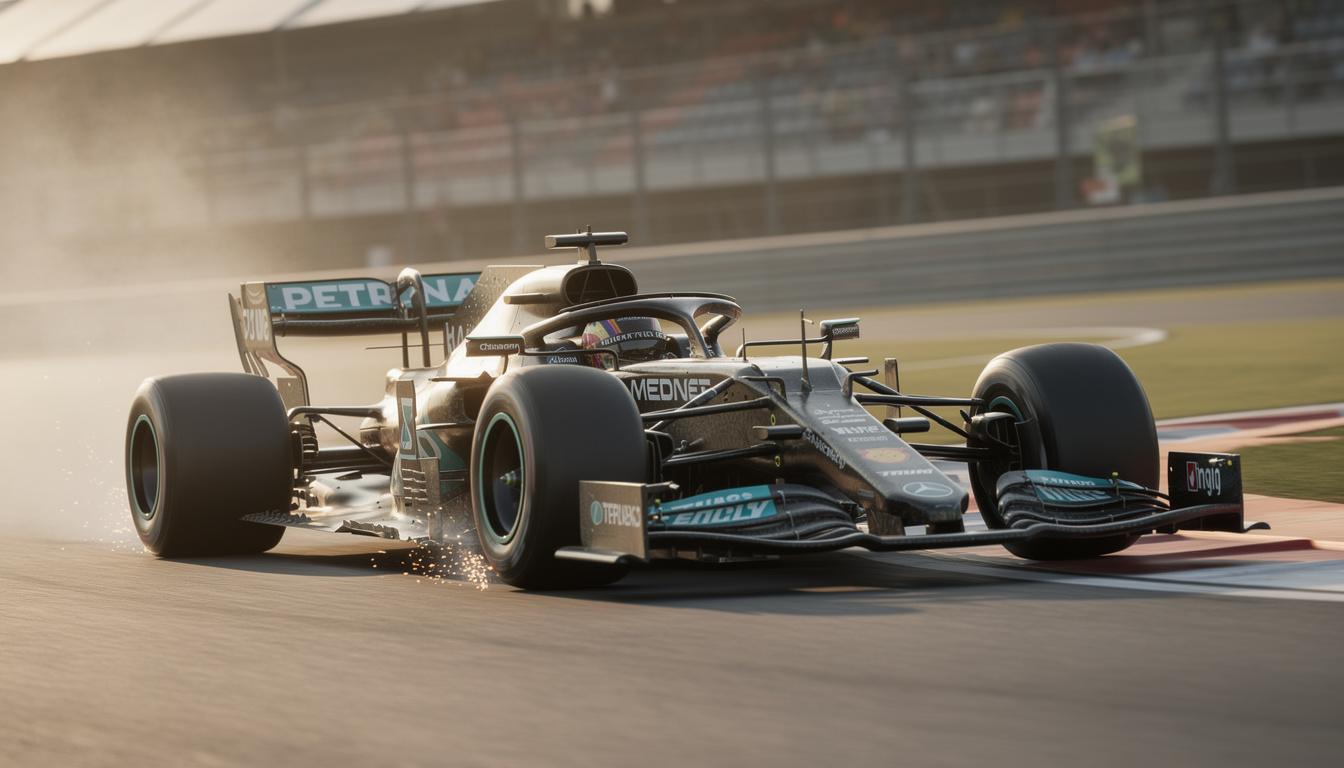
The apex, or clipping point, serves as the closest moment a driver approaches the inside kerb of a corner. It is vital because it indicates where a driver transitions between braking and throttle application. This shifting control determines the vehicle’s traction and speed, directly affecting lap times. The apex’s location isn’t static; it varies according to corner type and racing strategy, influencing the overall racing line.
For instance, slow-speed hairpins require a later apex to prolong acceleration out of the corner. Conversely, high-speed sweepers benefit from an earlier apex, improving balance through the turn. This adaptability highlights the critical link between apex choice and speed. Drivers continuously assess whether a broad, smooth line or a sharper, more direct one optimizes their exit velocity. Precision in this moment critically governs traction and vehicle stability, fundamental for performance.
Relation Between Cornering, Braking, and Throttle Control
Mastering apex cornering is inherently tied to the management of braking and throttle, which governs speed and load transfer. Drivers modulate brake pressure approaching the apex to avoid excessive understeer or oversteer. This control synchronizes with throttle application timing, often starting just after clipping the apex to maximize acceleration. The balance ensures peak traction and minimizes tire slip, affecting tire wear across a race.
The effective interplay of braking and throttle determines lateral grip and overall stability mid-corner. Too early throttle can induce wheelspin, while too late delays acceleration and cost valuable time. Apex positioning influences this rhythm; an early apex might require earlier throttle input, while a later apex sustains braking longer. Understanding this dynamic is essential to reduce lap times while preserving mechanical grip for the rest of the race.
Adaptive Strategies for Different Apex Choices in F1
The primary apex can vary even within the same circuit, and many corners allow drivers to select different apex points tailored to specific objectives. Picking the right apex point depends on the track geometry, car setup, and conditions. For instance, at circuits like Circuit of the Americas, the complex Turns 16–18 offer multiple apexes to choose from, each with distinct exit speed implications. This strategic flexibility in apex selection reflects how intricate racecraft involves apex negotiation and underpins driver decision-making. A focused examination of cornering techniques further enriches understanding of these choices.
Late Apex vs Early Apex in Race Situations
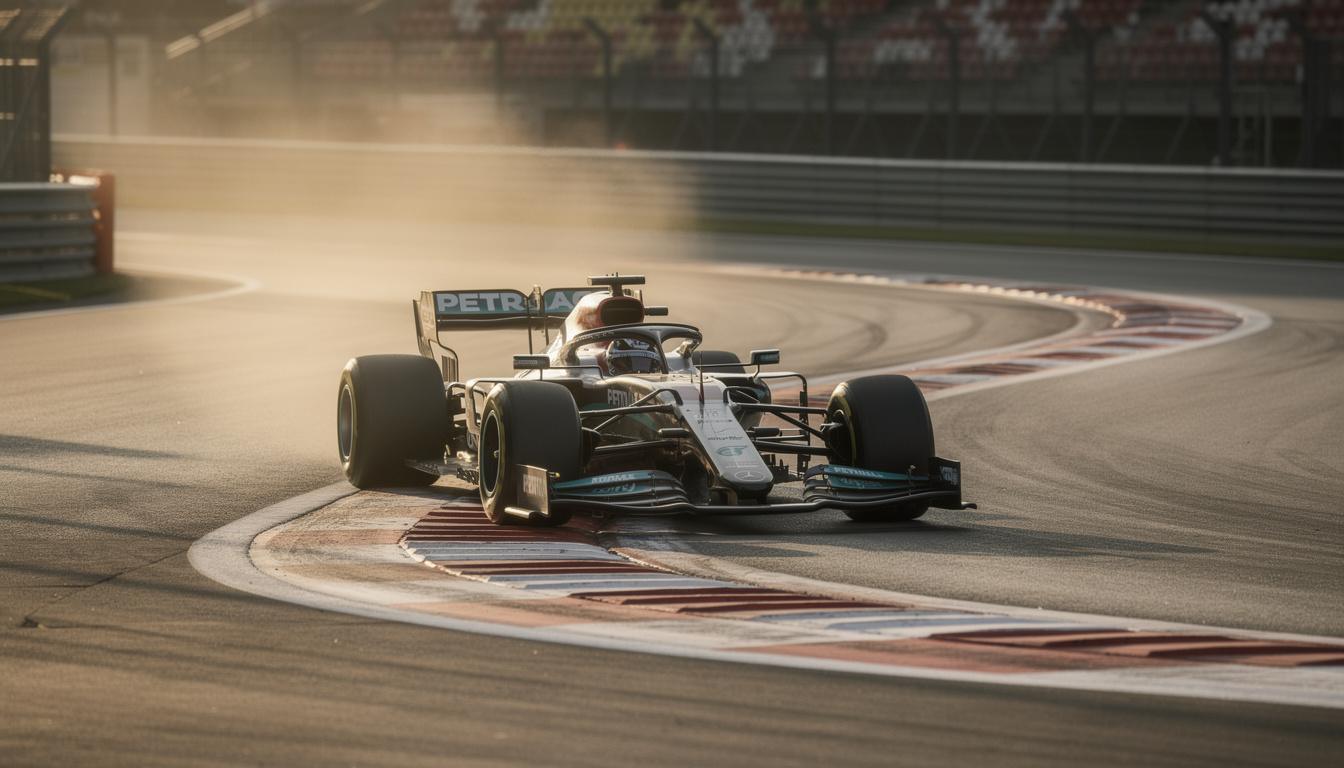
A late apex places the clipping point farther along the exit of a corner, enabling a straighter and longer acceleration path. This choice benefits low-speed corners where traction is a limiting factor. It often sacrifices entry speed but improves exit velocity, crucial for maximizing performance on subsequent straights. Drivers consider this tactic to maintain tire health and boost traction.
Alternatively, an early apex lets the driver clip the inside kerb sooner and is favored in fast, sweeping corners. This approach can produce faster lap times but demands precise throttle control to avoid losing rear grip. The decision between apex timings reflects a balance between corner entry speed and exit acceleration, illustrating the nuanced application of theoretical racing lines in real-world conditions. The concepts relate closely with load transfer and vehicle dynamics.
The Impact of Track Geometry on Apex Positioning
Different circuit layouts dictate how drivers approach the apex. Tight hairpins often necessitate a wide entry and late apex to slow the car enough for a clean exit. Meanwhile, flowing corners reward a smooth, early apex trajectory to maintain momentum. The track’s cambers, kerb design, and surface grip also steer apex selection. Each factor contributes to optimizing a car’s handling and responsiveness in corners.
For example, circuits with aggressive kerbs may penalize overly aggressive apexing due to potential launch or loss of traction. Drivers must adapt their approach, sometimes using a wider racing line to preserve vehicle stability. This interplay between track characteristics and apex positioning illustrates the deep integration of car setup and racing strategy. Awareness of these elements is key for understanding driver performance variations across the Formula 1 calendar.
Influence of Apex Cornering on Lap Times and Race Strategy
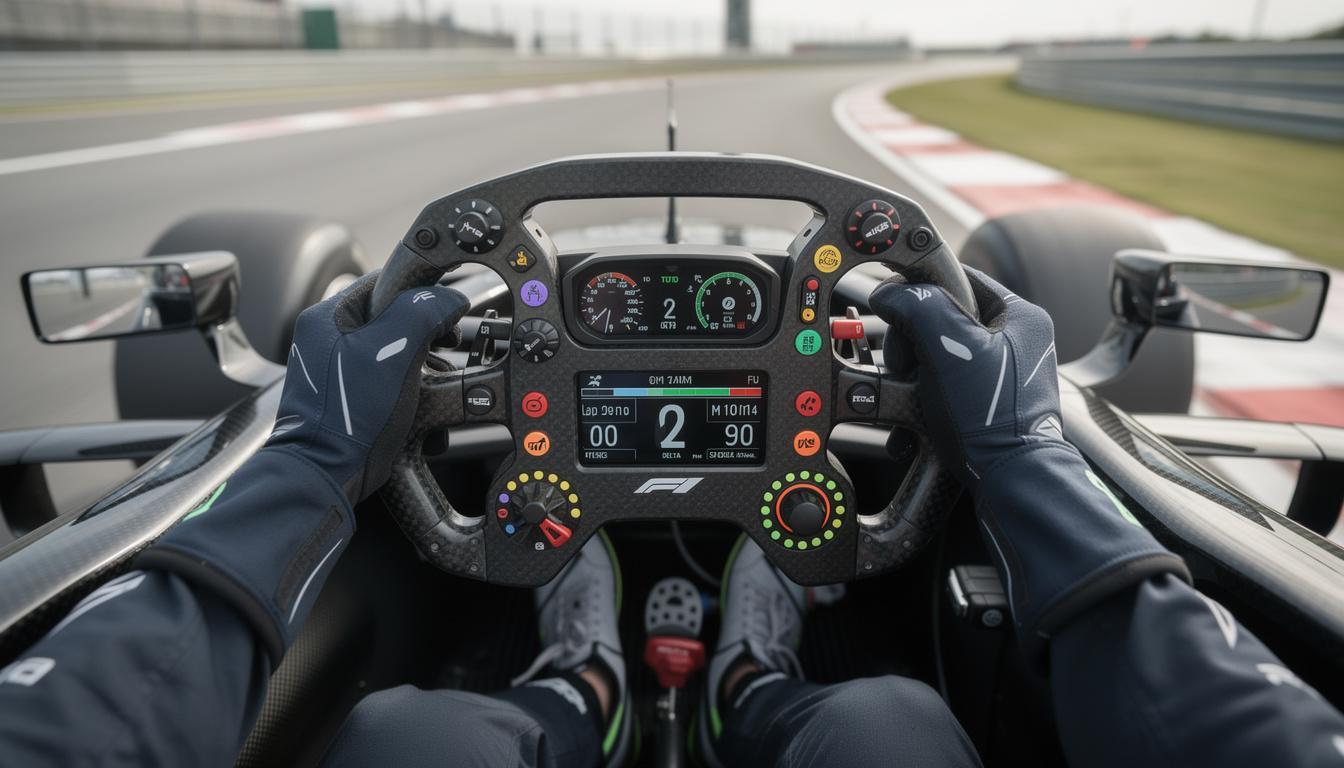
Precision at the apex directly translates to lap time gains in Formula 1 by maximizing cornering speed and exit acceleration. Efficient apex navigation reduces slip angle and tire degradation, facilitating better performance across race stints. Drivers optimize their racing line to balance speed, traction, and braking effort, all converging at the apex point. This synthesis of vehicle dynamics and driver skill embodies the interplay between apex cornering and strategic racing execution. Related vehicle control dynamics can be explored further through insights into the steering wheel functionalities.
Apex Cornering and Tire Management
The apex position affects how much lateral and longitudinal load the tires endure. Aggressive apexing can lead to excessive tire wear due to increased slip angles and heat generation. Conversely, an optimized apex line moderate forces, helping tires last longer and retain grip across long stints. Teams and drivers constantly evaluate this balance to sustain competitive pace and minimize pit stops.
Tire degradation curves significantly influence apex strategy, particularly in race conditions with heavy tire wear. Maintaining traction through the apex prevents slips that spike tire surface temperature and soften rubber prematurely. Drivers adapt their corner approach as tire conditions evolve to preserve maximum efficiency. This dynamic highlights why apex cornering is more than a moment; it’s a continuous race management tool.
Critical Role of Apex in Driver Workload and Safety
The apex demands precise inputs that increase driver workload, especially under braking and acceleration transitions. Efficient apex cornering reduces abrupt steering corrections, decreasing fatigue during intense race stints. It also serves a safety function by stabilizing vehicle dynamics, minimizing the risk of spins or slides. Better understanding of this connection emphasizes the apex’s role beyond speed, touching on driver health and consistent performance.
In high-pressure scenarios, such as race restarts or overtaking attempts, apex precision can be decisive. Drivers have to manipulate throttle and brake inputs fluidly while maintaining ideal racing lines. Misjudging the apex compromises traction, risking race incidents. Mastery of apex cornering thus remains a core skill required to meet both performance and safety demands in modern Formula 1.
This video explains the technical significance of apex cornering and how F1 drivers strategically use it to enhance speed and control.
Apex Cornering: Comparing Its Roles in Different Racing Contexts
The principles of apex cornering permeate various forms of motorsport, yet their manifestations differ based on vehicle dynamics and race format. Formula 1’s high downforce and complex setups demand precise apex management unlike pivot points used in karting or touring cars. Understanding these contrasts reveals why apex cornering remains a cornerstone concept but adapts based on context. Such distinctions enrich an appreciation of racing techniques and their technical foundations. Readers interested can cross-reference with karting racing lines guides that highlight foundational cornering tactics.
Apexing in Different Motorsport Vehicles
In Formula 1, aerodynamic downforce and sophisticated suspension systems shape apex strategies significantly. High cornering speeds rely on maximizing grip and stability around the apex. In contrast, karting emphasizes mechanical grip and weight transfer without aerodynamic effects, affecting the shape of the racing line. Drivers in different series must tailor their apex approach to the unique demands of their machinery.
Touring cars and endurance racing vehicles prioritize tire conservation and consistency through corners, sometimes sacrificing apex precision for longevity. Rally stages involve variable surface grip and unpredictable conditions, forcing adaptive apexing techniques. These variations demonstrate how the apex concept remains universal but requires tailored execution to achieve effective results. This comparison underscores apex cornering’s place in the wider motorsport landscape.
Evolution of Apex Cornering with F1 Technology Advances
Over decades, improvements in F1 aerodynamics, tire construction, and electronics have continually reshaped apex techniques. Modern cars’ enhanced downforce allows for higher cornering speeds and different apex timings compared to earlier eras. Advanced traction control and brake-by-wire systems provide drivers with refined control around the apex. Understanding this evolution helps contextualize current apex cornering methods within the sport’s ongoing technical progress.
Regulatory changes influencing car setups and track limits also affect apex utilization. Drivers must adapt constantly to these developments to maintain competitiveness. This ongoing technical feedback loop between innovation and driving style highlights why apex mastery is both timeless and ever-evolving in Formula 1. Technical insights into vehicle motion can further clarify these adaptations.
A focused tutorial covering how apex choice influences corner speed and lap time, essential for deepening knowledge about racing lines in Formula 1.
What defines the apex in Formula 1 cornering?
The apex is the innermost point of the racing line where the car is closest to the inside kerb during a turn.
How does choosing an early or late apex affect corner exit?
An early apex favors faster corner entry but may reduce exit speed, while a late apex delays throttle application to maximize acceleration on exit.
Why is apex cornering important for tire management?
Optimizing apex cornering minimizes tire slip and wear, improving longevity and consistent grip throughout the race.
Can apex position change between different corners?
Yes, apex position varies depending on corner type, track layout, and driver strategy to maximize cornering performance.
How does apex cornering influence driver workload?
Precise apexing reduces the need for sudden steering corrections, easing driver workload and promoting race consistency and safety.