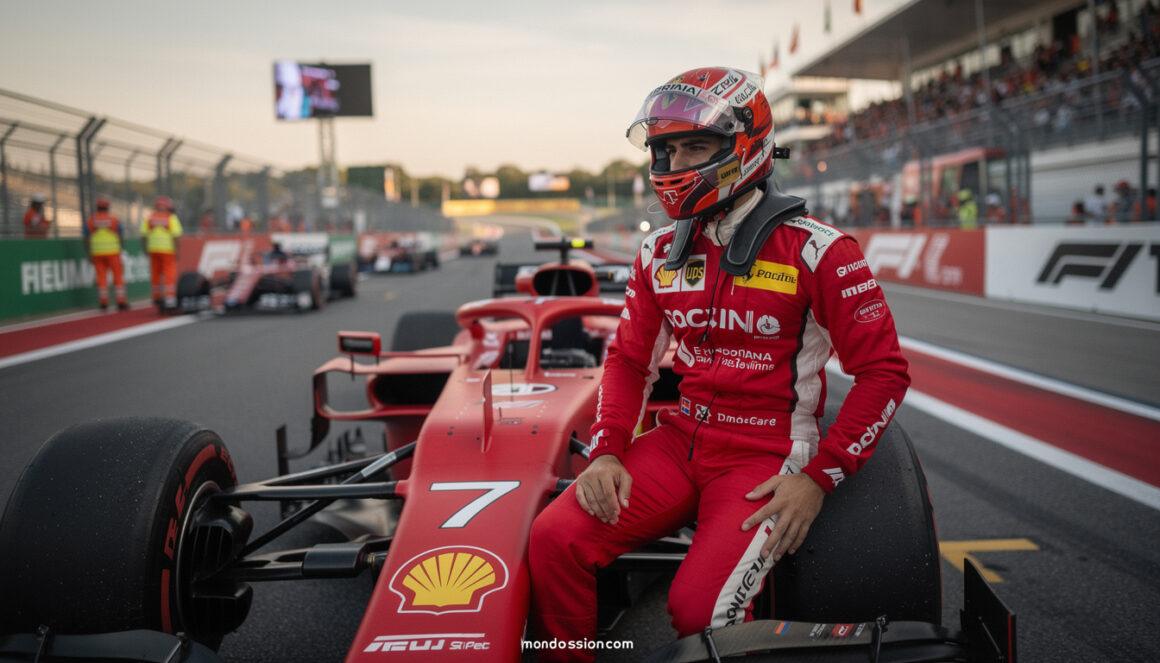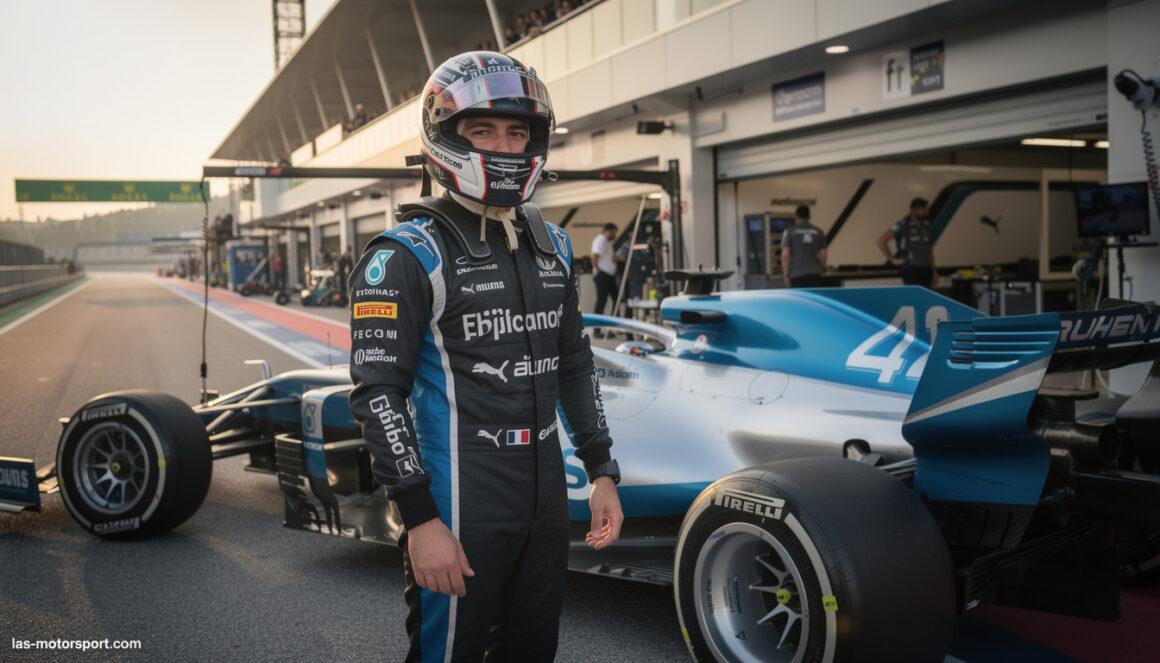


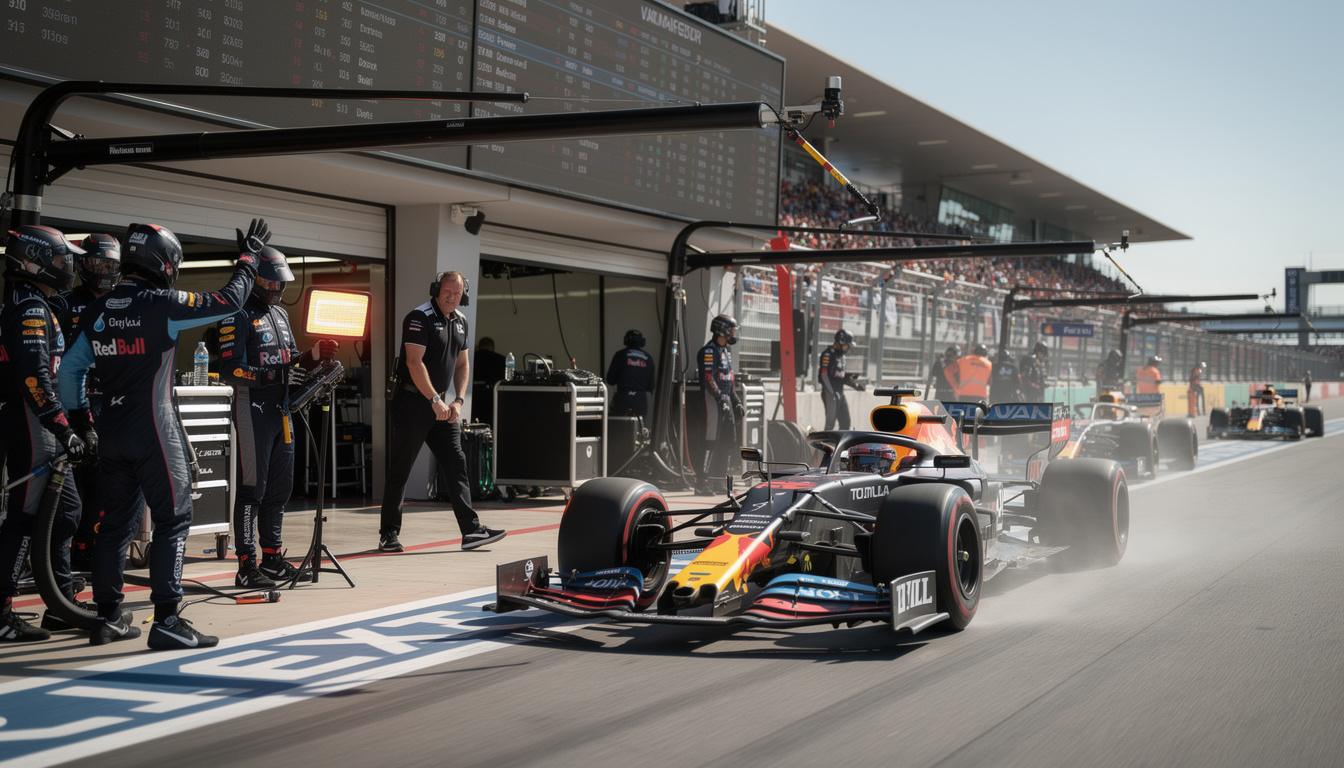
An unusual pit lane mishap spilled confusion across the racing circuit, causing an unprecedented traffic jam that halted the flow of the pit stops. This notorious incident unfolded during a high-stakes phase of the race, triggering significant delays and extensive congestion. The affected teams and drivers had to cope with an unexpected gridlock, complicating their strategies amid the fast-paced competition.
The pit lane, usually a hive of precision and efficiency, became a scene of chaos. A misjudged entry combined with an unexpected incident led to a stacking of cars that quickly transformed into a traffic jam, disrupting the rhythm of the pit stops. This event tested the adaptability of the teams under pressure, highlighting how fragile and complex pit lane operations remain even in modern F1. The aftermath saw sharp reactions from drivers and crew alike, as they faced a challenging situation off-track. It was a rare spectacle revealing how a single pit lane miscalculation can cascade into race-altering consequences.
Unusual Pit Lane Incident Sparks Racing Traffic Jam
The incident occurred at the critical pit entry where a car unexpectedly slowed down, causing a domino effect. Several cars behind were forced to brake sharply, leading to a full pit lane blockage. Such an unusual mishap is rare but serves as a stark reminder of the fine margins within Formula 1’s operational environment.
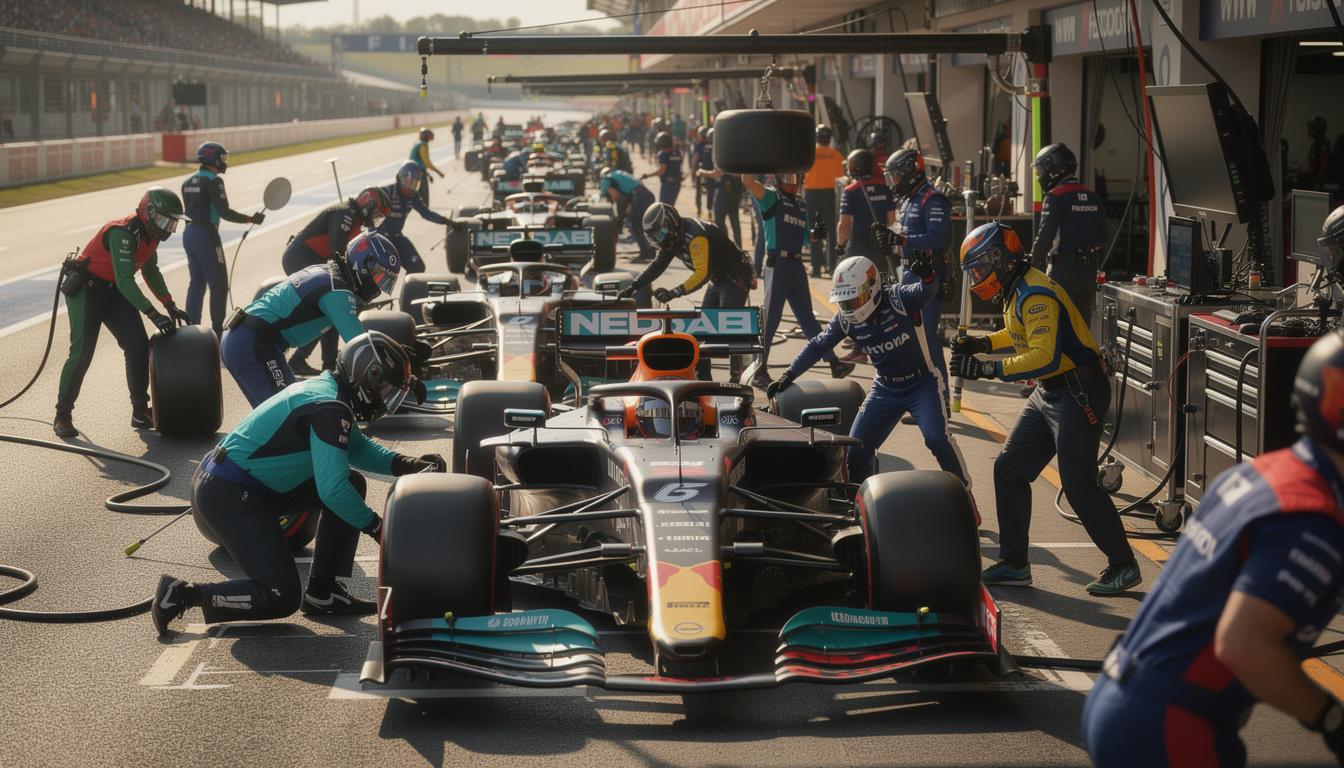
Teams struggled to manage the chaos. Mechanics narrowly avoided collisions amid the congestion, while drivers were left trapped in a bottleneck. This effectively stalled strategic pit stops, compromising tyre changes and refuelling operations, and prompting officials to temporarily delay pit activity. The incident stands out as a rare disruption in a sport driven by precision and split-second timing.
Technical Breakdown of the Pit Lane Congestion
The congestion stemmed from a failure in spatial coordination, where a slightly slow car entry forced sudden deceleration from trailing cars. This mishap disrupted the typical safe distances maintained during pit cycles, turning the lane into a bottleneck. Teams found it difficult to conduct planned tyre changes and fuel top-ups, skewing race strategies and twisting expected pace patterns.
Another contributing factor was the confined dimensions of the pit lane, especially under tighter 2026 regulations emphasizing safety zones. The limited space amplified the severity of this incident, blocking multiple teams simultaneously. Pit crews had to react rapidly, balancing safety and speed to avoid accidents while managing their vehicles and equipment.
Strategic Implications of the Pit Lane Traffic Jam on the Championship
This unexpected pit lane traffic jam introduced a layer of complexity into the race’s tactical landscape. Drivers caught in the gridlock faced lost seconds that could not be recovered easily, directly affecting their race positions and tyre strategies. Teams had to rethink their approaches in real time, adjusting for the delay in pit windows and altering fuel usage.
Championship contenders faced significant pressure. Such incidents can disrupt momentum, especially in tightly fought battles like those seen around the top of the table in 2026. The knock-on effects will be watched closely in forthcoming races as teams try to prevent repeats of such gridlock and maintain their edge in both qualifying and race conditions.
Read More about Formula 1 Race Strategies and Regulations
Understanding the impact of such unusual incidents requires grasping the nuances of fuel usage and tyre management in today’s racing era. Fuel regulations and energy deployment strategies have evolved, making every pit stop a finely tuned operation focused on optimal performance and minimal time loss. For further insight into the fuel types driving these strategies, see the latest F1 fuel innovations explained in detail.
Fans keen to follow the race calendar and stay updated with the latest developments in F1 can also keep track of all upcoming events and news at F1 News. The ability to adapt quickly to such unexpected incidents often defines championship success.