
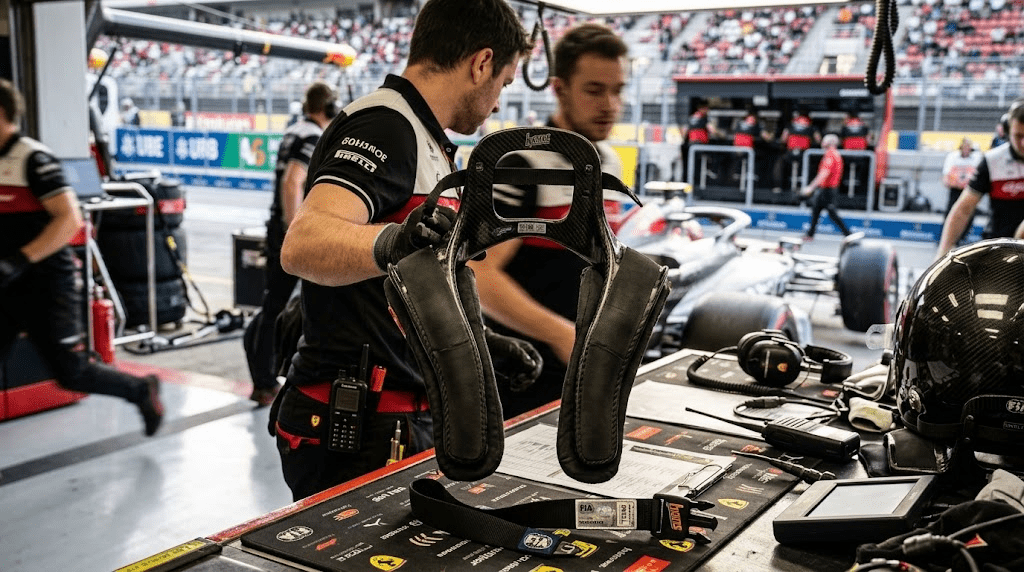

The HANS device is an integral piece of safety equipment in Formula 1. Designed to protect a driver’s head and neck, it addresses critical injury risks during crashes. Understanding its function unveils how technological innovation continues to save lives in the sport.:
The HANS device reduces head and neck injuries by stabilizing the driver’s helmet during impacts. Introduced after years of development, it is now compulsory in F1 and many other motorsport categories. The device distributes forces over the shoulders, minimizing dangerous whiplash. Its compatibility with racing helmets and harness systems ensures maximum driver injury prevention.
What is the HANS device and why it matters in F1 safety
The HANS device functions as a head and neck restraint, designed specifically to reduce severe injuries in crashes. It is a lightweight carbon fibre U-shaped collar that sits on the shoulders beneath the harness straps. Two tethers connect this collar to the helmet, limiting excessive forward head movement during sudden deceleration. This system prevents violent motions that often cause basilar skull fractures, a major source of fatal injuries before its introduction. The device works by force distribution across the shoulders, which helps avoid abrupt stops of the head and neck, reducing the likelihood of catastrophic trauma. Its role has become a critical aspect of Formula 1 safety equipment and governs how drivers are protected in high-speed impacts.
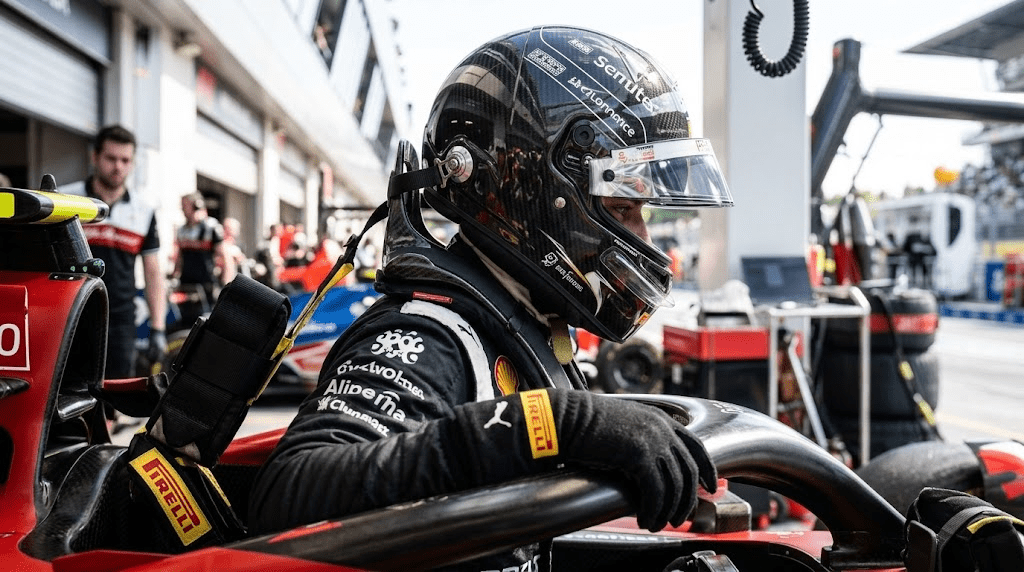
The HANS device design and its fundamental mechanics
The device’s carbon fibre collar fits snugly around the neck and shoulders to form a rigid support base. By spreading impact forces, the HANS device reduces stress on the head and cervical spine. This controlled deceleration prevents the head from snapping forward too suddenly, a motion called hyperflexion which leads to serious neck injuries. Because it is held under the harness straps, the collar remains fixed in place during crashes, consistently absorbing energy rather than shifting unexpectedly. This precise engineering ensures the driver’s head remains tethered to the collar via helmet tethers, which restrain dangerous movement while preserving some flexibility. Together, these components create a balanced safety system essential for modern F1 survival standards.
Manufacturing high-quality devices requires strict tolerances in material and form to guarantee optimal fit and durability. Each device is tailored to the driver’s measurements, ensuring comfort without hindering mobility inside the cockpit. Its effectiveness depends on coupling with compatible helmets fitted with attachment points, highlighting the importance of helmet support integration in driver safety systems. This seamless connection is vital to prevent detachment during the violent forces of a crash.
HANS device in relation to driver safety systems and race performance
Incorporating the HANS device establishes a synergy between different driver safety components such as safety belts and racing seats. The device is secured under a six-point harness which immobilizes the torso, while the HANS device supports the head and protects the neck. This comprehensive restraint setup minimizes sudden relative movement between the driver’s upper body segments, critical for reducing injury risk. As a result, it also influences driver confidence, allowing more focused and aggressive race driving without compromising safety. Optimized ergonomics within the cockpit are inextricably linked to how well these systems perform collectively under crash conditions.
When analyzing accident dynamics, reducing head motion limits the potential for long-term injury and allows teams to develop more resilient car safety structures. The improvement in personal safety provided by the HANS device allows greater freedom in car setup decisions. For example, drivers can push braking limits knowing their head and neck are protected, contributing to faster lap times. This is complemented by advancements in chassis design and crash absorption technologies, enhancing overall motorsport safety equipment standards.
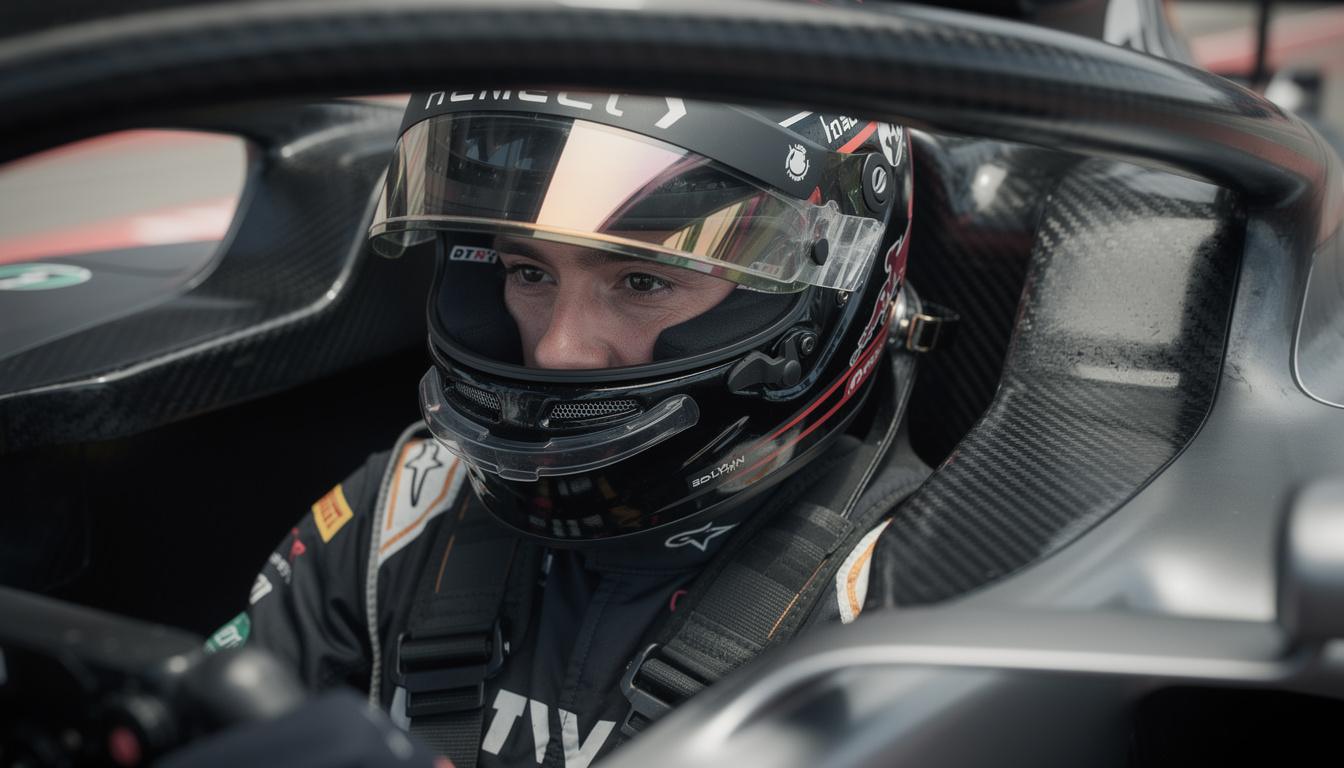
The evolution and introduction of the HANS device in Formula 1
The journey to mandatory use of the HANS device in Formula 1 was driven by tragic events and biomechanical innovation. Early deaths from basilar skull fractures, including prominent drivers in the 1990s, spotlighted the urgent need for better head and neck protection. Originating in the 1980s through the work of biomechanical engineers and racer advocates, the HANS device initially met resistance from manufacturers and some drivers. However, after extensive testing by Mercedes and growing awareness of its safety benefits, FIA mandated its use in F1 from 2003 onward. This integration has since saved numerous lives, including those involved in high-speed accidents like Robert Kubica’s 2007 crash. Such history illustrates the device’s vital role in evolving motorsport safety culture and enforcement policies.
The technical challenges during adoption and certification
Implementing the HANS device required reconciling comfort, compatibility, and protective function for elite drivers. Early iterations faced hurdles in helmet tether attachment standards and harness system compatibility. Engineers had to develop robust yet lightweight materials to avoid adding unnecessary mass inside an already tight cockpit environment. Additional efforts ensured the device would not interfere with critical driver inputs or emergency extract procedures. The eventual certification mandated specific testing protocols simulating high-impact crash scenarios, validating the device’s performance under rapidly applied forces. Its success largely depended on collaboration between helmet manufacturers, safety harness suppliers, and the FIA’s safety commissions, exemplifying a comprehensive approach to accident injury mitigation.
Over time, modifications and improvements addressed diverse driver anthropometry and enhanced carbon fibre layup techniques. The result is the current generation of HANS devices, custom-fitted, reliable, and integrated with modern helmets and chassis harness configurations. This refinement contributes directly to safer racing environments and demonstrates how continuous development in safety gear shapes Formula 1 cockpit standards. Understanding these technical developments provides valuable context for why current race safety regulations prioritize devices like the HANS.
The impact of HANS device on wider motorsport safety regulations
The influence of the HANS device extends beyond Formula 1, setting new standards in racing series worldwide. After FIA’s adoption, other international motorsport bodies including NASCAR, World Rally Championship, and various endurance racing series mandated similar head and neck support systems. This widespread implementation reflects its proven efficacy in driver injury prevention and reduction of fatal accidents caused by head trauma. The device forms a core component of modern race safety protocols alongside fireproof clothing and helmet standards. Consequently, it illustrates a shared commitment across motorsport disciplines to enhance competitor safety systematically rather than relying solely on car chassis improvements.
The device’s global acceptance also fosters innovation in related technologies, such as improved helmet anchoring systems and integrated cockpit designs. These innovations maintain a safer environment for drivers during high-risk situations. Through continuous collaboration between regulatory authorities, manufacturers, and racing teams, head and neck protection continues to evolve. The HANS device’s role in this ecosystem underscores its lasting importance in improving safety outcomes in top-level motorsport competitions.
Here is an expert breakdown of the HANS device detailing its components and crash protection functions.
Compatibility with helmets and its importance for HANS performance
The effectiveness of a HANS device relies heavily on its compatibility with helmets equipped with proper anchor points. Without secure tether attachment locations on the helmet, the device cannot properly limit dangerous head movements in a crash. These anchors must meet stringent safety standards to withstand extreme forces while providing flexibility for helmet removal. Helmet manufacturers integrate such mounting points in collaboration with HANS producers to guarantee helmet support that complements the overall restraint system.
The role of helmet anchoring in preventing head motion
Helmet anchors serve as critical interfaces connecting the driver’s head to the HANS device collar. This connection restricts excessive forward and lateral head motion, preventing injuries from abrupt acceleration changes. Anchors must be positioned to avoid interfering with the helmet’s other safety features like visors and communication equipment. Proper alignment and tension of the tethers guarantee the forces during a crash are transferred smoothly to the collar and shoulders. Maintaining this balance reinforces the driver injury prevention mechanism central to the device’s function.
Manufacturers conduct rigorous dynamic testing on these anchor points, replicating the complex load patterns seen in real-world crashes. This ensures durability and reliability even in extreme racing scenarios. Without these anchor points, the HANS device’s tether system cannot fulfill its protective role effectively. Therefore, helmet and restraint system integration remains a focal point in ongoing safety development within Formula 1 and other racing series.
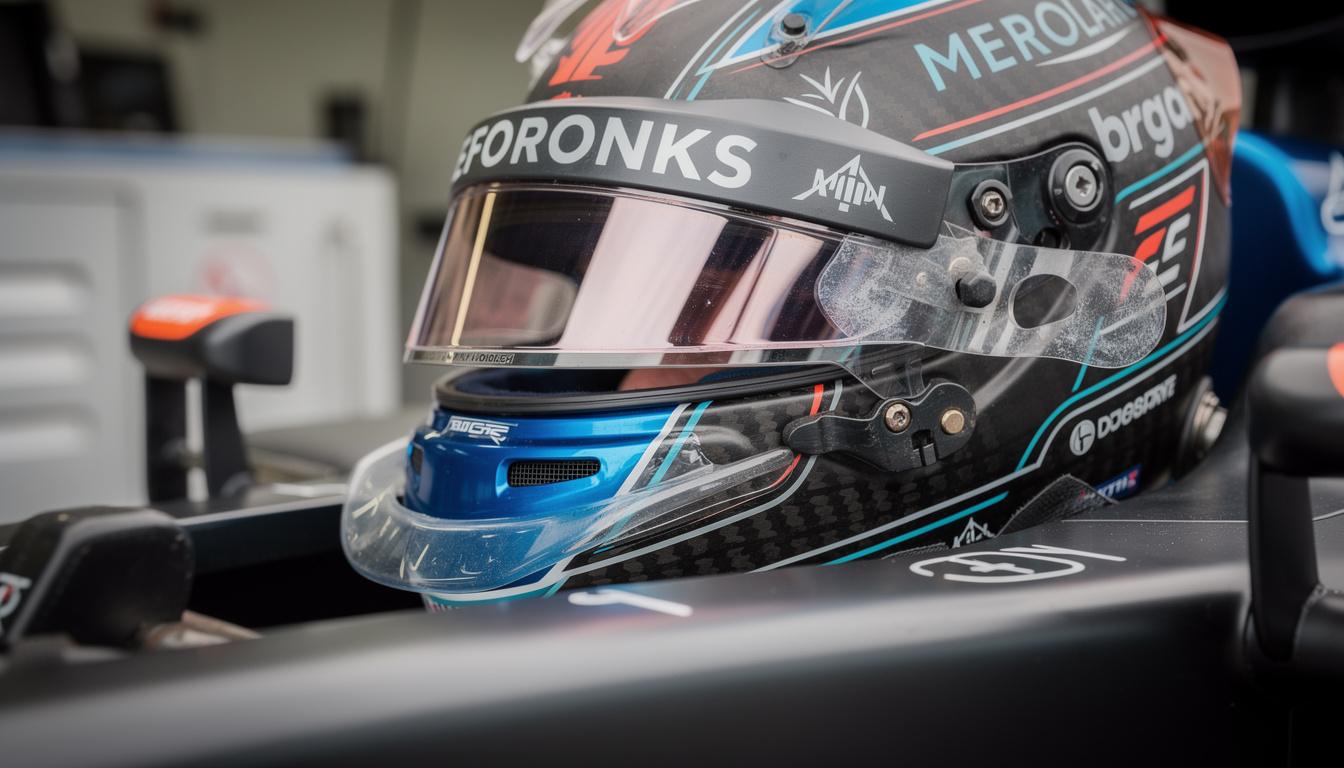
Ensuring trackday drivers benefit from HANS technology
While the HANS device is mandatory in professional motorsport, its use at trackdays is often optional but highly recommended. Drivers pushing close to the limit encounter similar injury risks as professionals, making head protection critical in all racing environments. However, not all helmets used at trackdays are fitted with compatible anchor points, limiting the device’s effectiveness unless proper equipment is used. Track operators and driving schools now emphasize compatibility and recommend full safety gear including the HANS device for serious enthusiasts wanting to enhance their protection. This reflects growing awareness of how professional safety systems translate effectively to amateur motorsport.
Strong advocacy for driver safety at amateur levels highlights the importance of race car driver safety beyond elite competition. Proper use of a HANS device combined with a racing seat, roll cage, and multi-point harness significantly reduces injury risks. As more drivers adopt these systems, the culture of safety develops, helping to prevent potentially fatal injuries in club racing and casual track events. Guidance on equipment compatibility and proper fitting remains essential to maximize the protective benefits of these devices.
This video demonstrates how the HANS device activates during impact, highlighting force absorption and movement restrictions.
What does the HANS device protect against in Formula 1?
The HANS device guards against fatal head and neck injuries by stabilizing the driver’s helmet during violent deceleration, preventing excessive forward head movement.
Is the HANS device mandatory in Formula 1?
Yes, the HANS device has been mandatory in Formula 1 since 2003 to improve driver safety during high-impact crashes.
How does the HANS device distribute forces during a crash?
It transfers impact forces from the head and neck to the shoulders and chest, reducing stress on vulnerable cervical vertebrae.
Can any helmet be used with the HANS device?
No, helmets must have specific anchor points for tether attachment to ensure compatibility with the HANS device.
Is the HANS device useful for trackday drivers?
Although optional for trackdays, the device is strongly recommended as it significantly enhances head and neck protection in crashes.