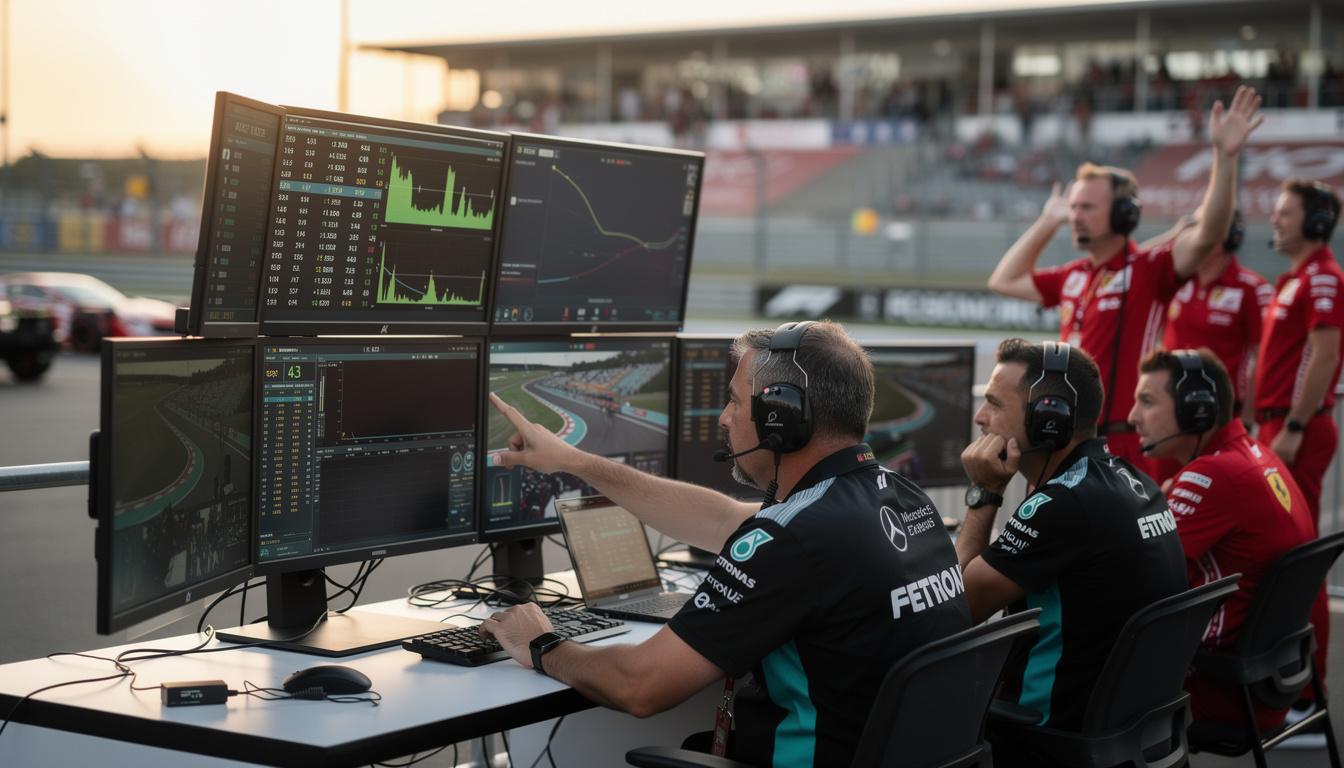

Formula 1 teams are under intense scrutiny as the debate on team orders heats up once again, with Ferrari’s handling of Lewis Hamilton and Charles Leclerc at the recent Dutch Grand Prix drawing sharp criticism.
Former world champion Mika Hakkinen has issued a blunt warning that fans will “crucify” any squad that uses team orders to manipulate the championship battle unfairly. The spotlight falls heavily on Ferrari as they struggled to manage intra-team dynamics strategically and emotionally during a pivotal race, highlighting broader challenges in modern F1 competition.
At Zandvoort, the contrast between Ferrari’s dithering and Mercedes’ sharp decisiveness was stark and telling. Hamilton’s expression of frustration was no isolated moment but rather a symptom of a wider communication breakdown between drivers and teams in the current ultra-competitive racing environment. As the 2026 season progresses, teams must balance performance, strategy, and fan perception with unprecedented finesse to avoid alienating their supporters.
Ferrari’s team orders controversy exposes strategic flaws amid rising competition
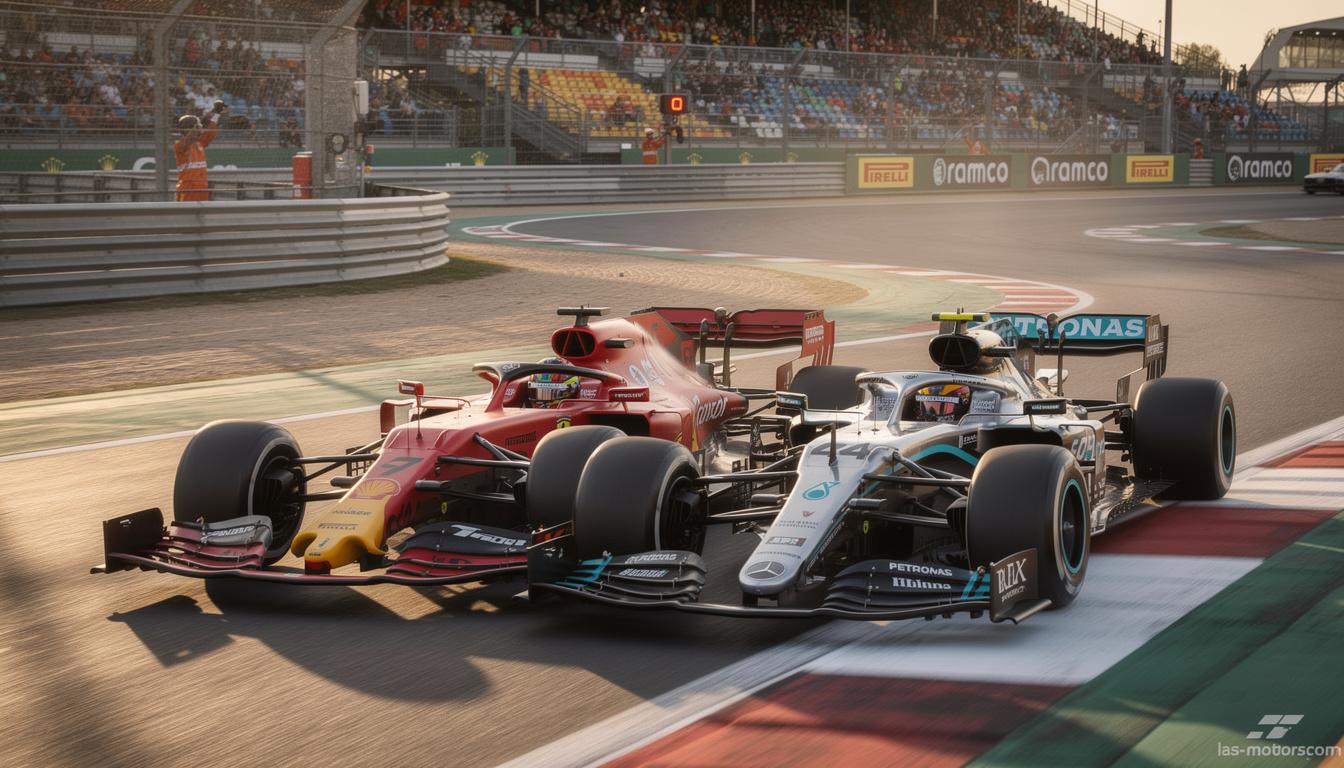
The Dutch Grand Prix threw Ferrari’s team management under the microscope. Lewis Hamilton, equipped with fresher soft tyres and a superior strategy, found himself stuck behind Charles Leclerc despite clear pace superiority. When Hamilton sought permission to overtake, Ferrari hesitated instead of giving a decisive team order. This indecision cost Hamilton precious seconds during a late pit stop to clear his path, ultimately robbing him of a podium finish as he ended up a close fourth behind Mercedes’ George Russell.
Mercedes, by contrast, demonstrated a textbook driver swap strategy at the same event. With pole sitter Kimi Antonelli on fresher tyres and faster pace, George Russell was promptly instructed to concede second place after a Virtual Safety Car shuffled track positions. The move secured Mercedes a strong second and third finish, stabilising their position against the Ferrari challenge and clearly showcasing the difference in team execution and communication.
Mika Hakkinen’s warning highlights the shifting dynamics of team orders in modern F1
Speaking to Sky Sports F1, Mika Hakkinen acknowledged the emotional turmoil faced by drivers trapped in team battle scenarios, explaining the huge information gap between the pit wall and cockpit. The limited data fed to drivers explains why Hamilton’s frustration at Ferrari’s indecision was more than just petulance—it was a logical reaction to a frustrating lack of clarity. Hakkinen contrasted this with his era, where teams openly declared a clear number one to back fully, a strategy that modern F1 fans might no longer tolerate.
Hakkinen explained that Formula 1’s fanbase evolution fundamentally changed how team orders are perceived. With drivers now global icons commanding vast followings, publicly demoting one driver risks significant backlash. Teams must maintain both drivers at peak performance to sustain fan loyalty while juggling championship aspirations, making the management of intra-team competition significantly more complex in 2026.
Why Ferrari’s mishandling was costly ?
Ferrari’s delayed response to Hamilton’s overtaking request and subsequent pit decision highlight significant tactical errors at a crucial juncture. The timing of Leclerc’s pit stop introduced extra risk and ultimately compromised track position, allowing both Mercedes drivers to capitalise. This level of hesitation indicates a breakdown in real-time data analysis and communication, critical elements in maximising race performance.
Comparatively, Mercedes’ swift call to have Russell yield to Antonelli under the Virtual Safety Car was a masterclass in exploiting race conditions tactically. By locking out the podium’s lower positions, Mercedes neutralised Ferrari’s threat and secured key championship points. This strategic clarity under pressure remains a cornerstone of Mercedes’ competitiveness, exposing Ferrari’s need to refine its race-day decision-making processes.