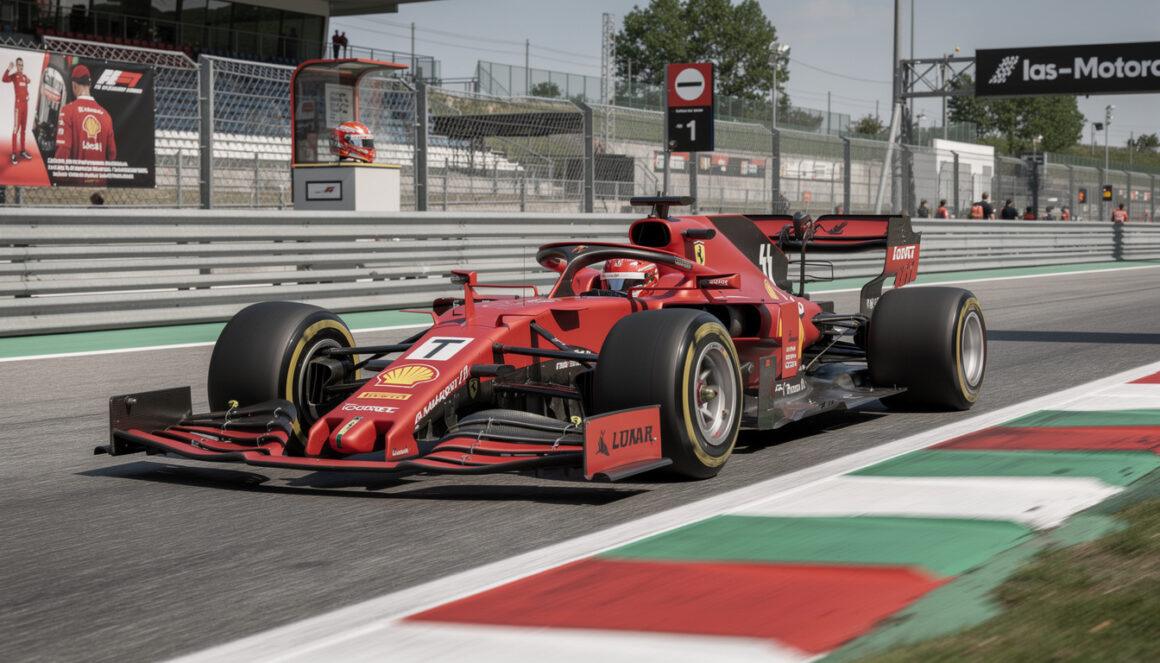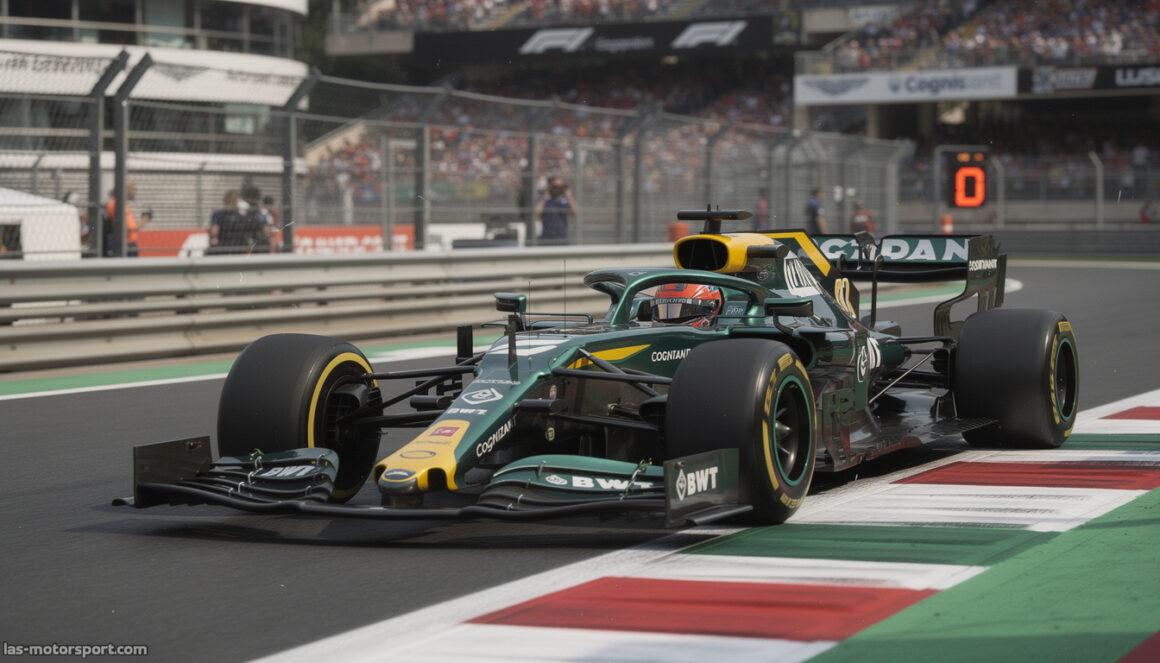
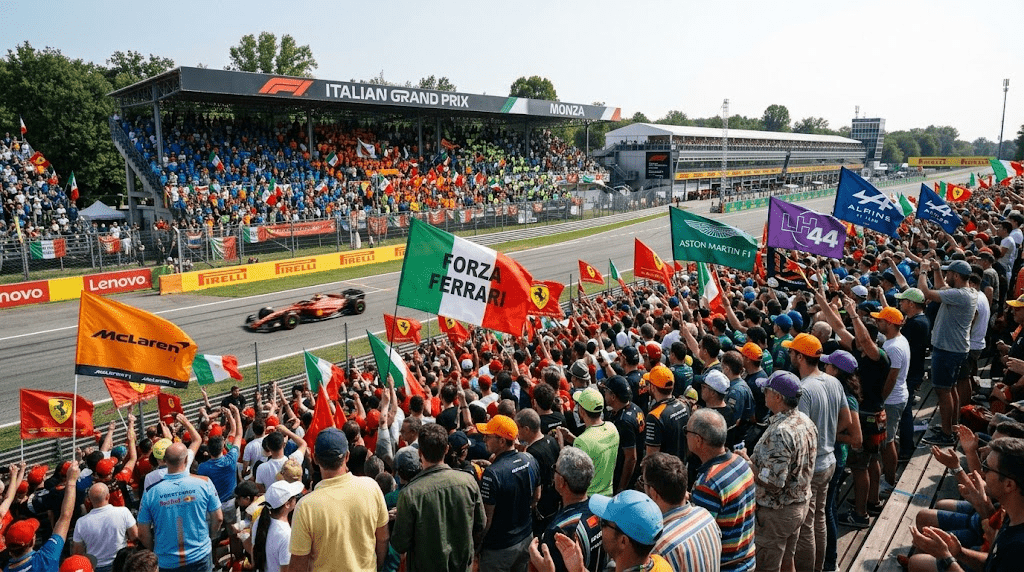

The 2026 Italian Grand Prix at Monza is shaping up to be an endurance test like no other. With scorching heat and tropical conditions forecast, teams face a brutal challenge to keep engines cool and tyres in check. This weekend’s sweltering weather promises to push F1 engines to their absolute limits, raising new strategic questions about survival under stress.
The sun’s relentless blaze will drive track temperatures soaring beyond typical levels, amplifying heat stress on power units and demanding razor-sharp management of engine durability. At a venue famed for top speeds, the tropical heat adds a punishing element to race preparation and execution. Teams must find the balance between performance and reliability in a climate that could spell chaos for those not ready. Across all sessions, from free practice to race day, the intensity of the heat will be a decisive factor shaping every lap at this iconic venue.
Monza’s tropical heat wave tests F1 engines and race performance
Monza traditionally hosts high-speed racing, but this year the temperature is set to redefine the challenge. Expect ambient air temperatures to hit around 33°C throughout the weekend, with track surface temperatures climbing even higher—often reaching past 45°C. The combination of intense sunshine and minimal wind means the physical environment is primed to stress cooling systems to their limits and sizzle tyre compounds faster than usual.
Friday’s free practice sessions will begin under blazing conditions, intensifying into the afternoon with track temps still climbing as teams gather more data. Saturday’s qualifying rounds anticipate the same tropical furnace, pushing power units to maintain peak output without shutting down. Such relentless heat demands pinpoint heat shielding solutions and guaranteed airflow to critical engine components, as teams work against time and nature to preserve both pace and power.
Strategic adaptations amid heat stress at the Italian Grand Prix
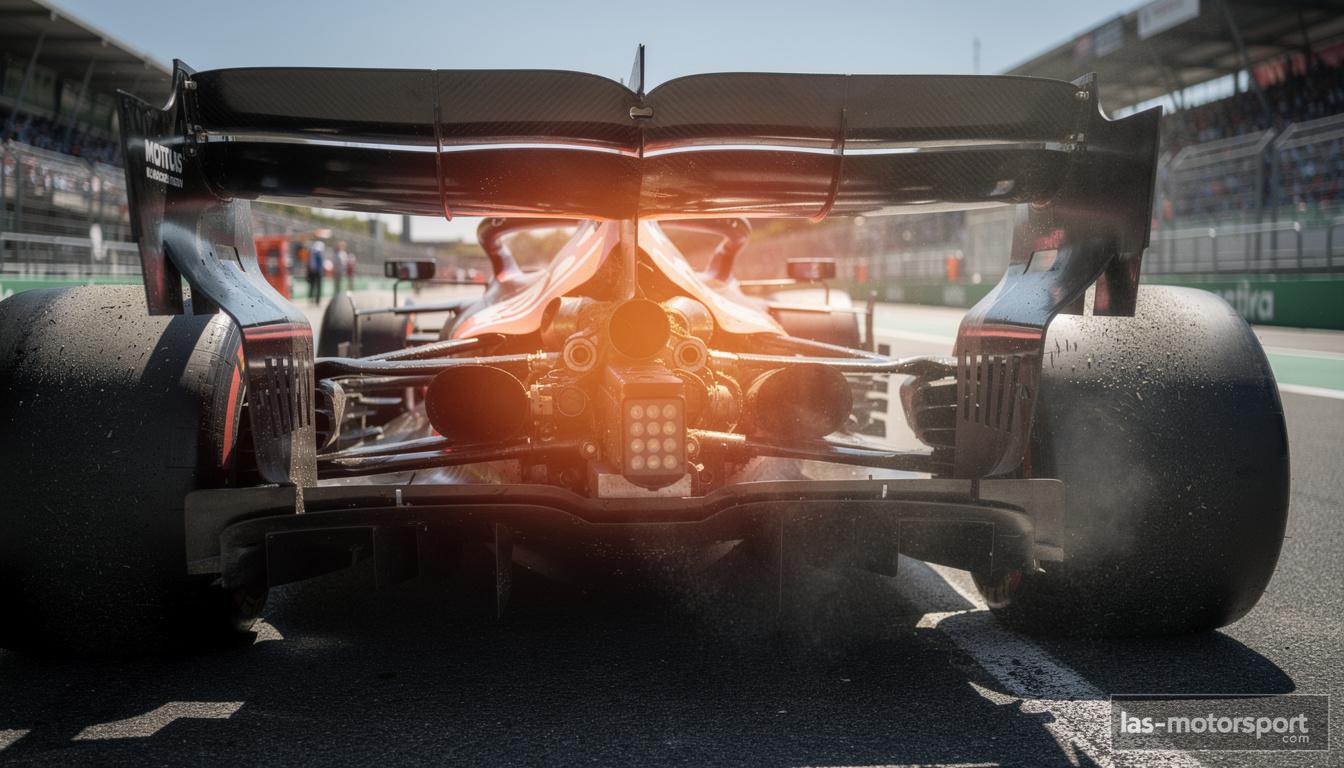
Under these tropical conditions, teams face tough decisions regarding tyre usage and pit-stop strategy. Hot asphalt accelerates tyre wear, forcing crews to consider softer compounds or additional stops to fend off degradation. Meanwhile, fuel maps must be tweaked to avoid overheating while maintaining maximum engine output—a fine line between aggressive performance and mechanical sympathy.
The heat will also torque pressure onto energy recovery systems, whose efficiency dips under soaring temperatures. Maintaining ERS performance is crucial for lap time gains but risks overheating battery packs and inverter units. As a result, many will reduce ERS deployment or modify cooling ducts, seeking to avoid power unit failures that could influence the championship standings.
Heatwave’s implications on championship battles and team tactics
The tropical inferno at Monza could shuffle the driver standings as reliability issues surface or pit strategies unravel. Teams traditionally locked in tight battles might find themselves taking unexpected gambles to preserve engine health while clawing back time on track. This environment elevates the role of race engineers and strategists, who need to decode tyre life curves alongside telemetry from overheated units.
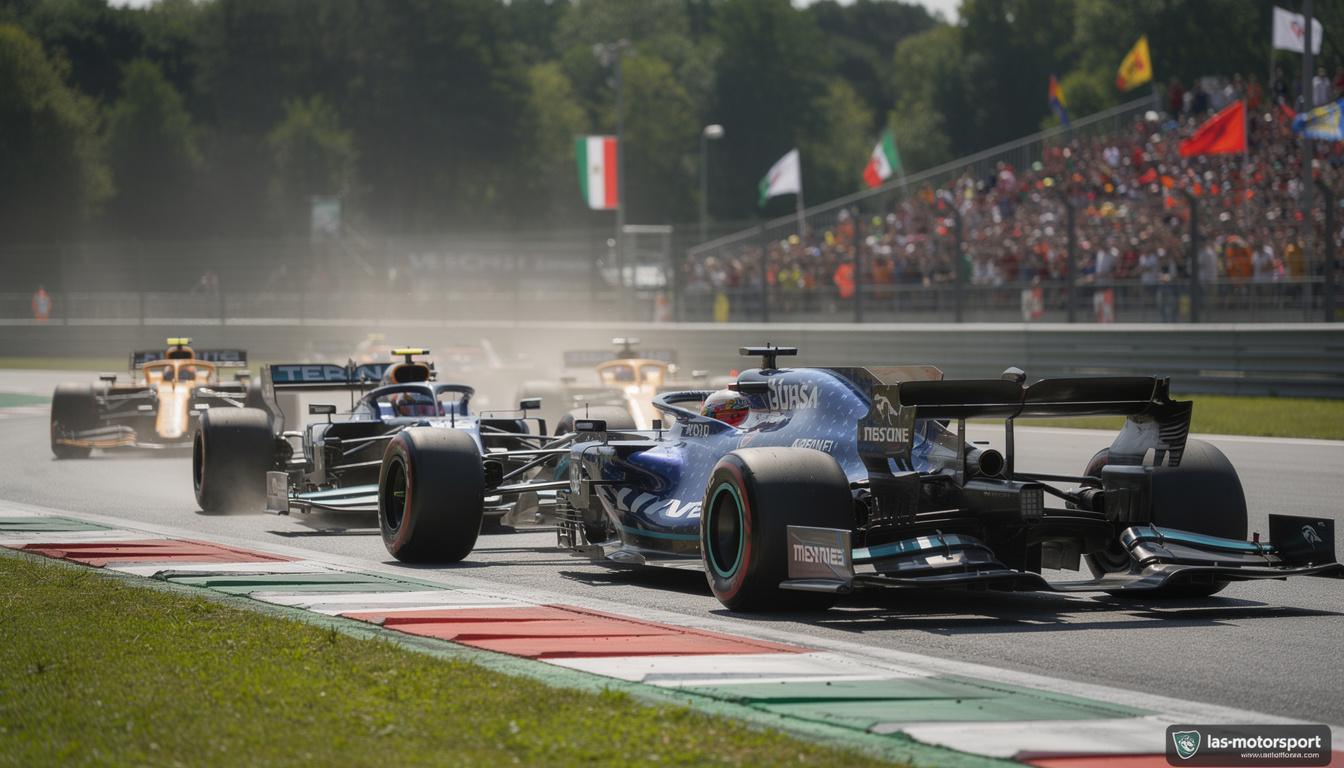
Championship contenders aware of this looming challenge will approach the weekend with a focus on survival as much as outright speed. These hot conditions may well be the proving ground for future upgrades and cooling innovations in F1’s new technical era. For fans tuning in, anticipating these tropical extremes adds a fresh layer of intrigue to an already high-stakes Grand Prix.
For more on the financial and technical pressures facing teams this season, see our analysis on the cost impact of racing at demanding circuits and a detailed breakdown of heat shielding technologies in F1 at LAS Motorsport.