


Formula 1, IndyCar, and NASCAR share an extraordinary motorsport statistic that binds three of the biggest racing series. The most successful drivers in each discipline boast seven championship titles, a benchmark that symbolises ultimate dominance in their respective fields. This unique coincidence not only highlights the fierce competition but also unites the histories of high-speed racing across continents.
In 2026, this shared statistic continues to define the legacies of racing legends and fuels the ambitions of current competitors across F1, IndyCar, and NASCAR. Notably, while Formula 1 features a tie at the top with two icons holding seven titles apiece, NASCAR pushes this further with three drivers achieving the same feat. IndyCar’s legacy is similarly marked by the remarkable achievement of multiple seven-time champions, underscoring a rare parity among elite athletes.
Shared Motorsport Dominance: F1, IndyCar, and NASCAR’s Seven-Time Champions
The sport of auto racing often thrives on unique records and statistics, but few crossover between series as seamlessly as the championship records in Formula 1, IndyCar, and NASCAR. In these storied competitions, the most decorated drivers share a remarkable commonality: each holds exactly seven championship titles. This anomaly threads a fascinating narrative through motorsport’s global tapestry.
In NASCAR, the achievement is particularly significant with Richard Petty, Dale Earnhardt, and Jimmie Johnson each clinching the Cup Series championship seven times. Johnson, who reached this milestone in 2016, remains just shy of surpassing Petty and Earnhardt for an eighth crown. Meanwhile, F1 legends Lewis Hamilton and Michael Schumacher both have seven drivers’ titles, collectively dominating 14 out of the last 32 championships from Schumacher’s first in 1994 to Hamilton’s most recent perfect season.
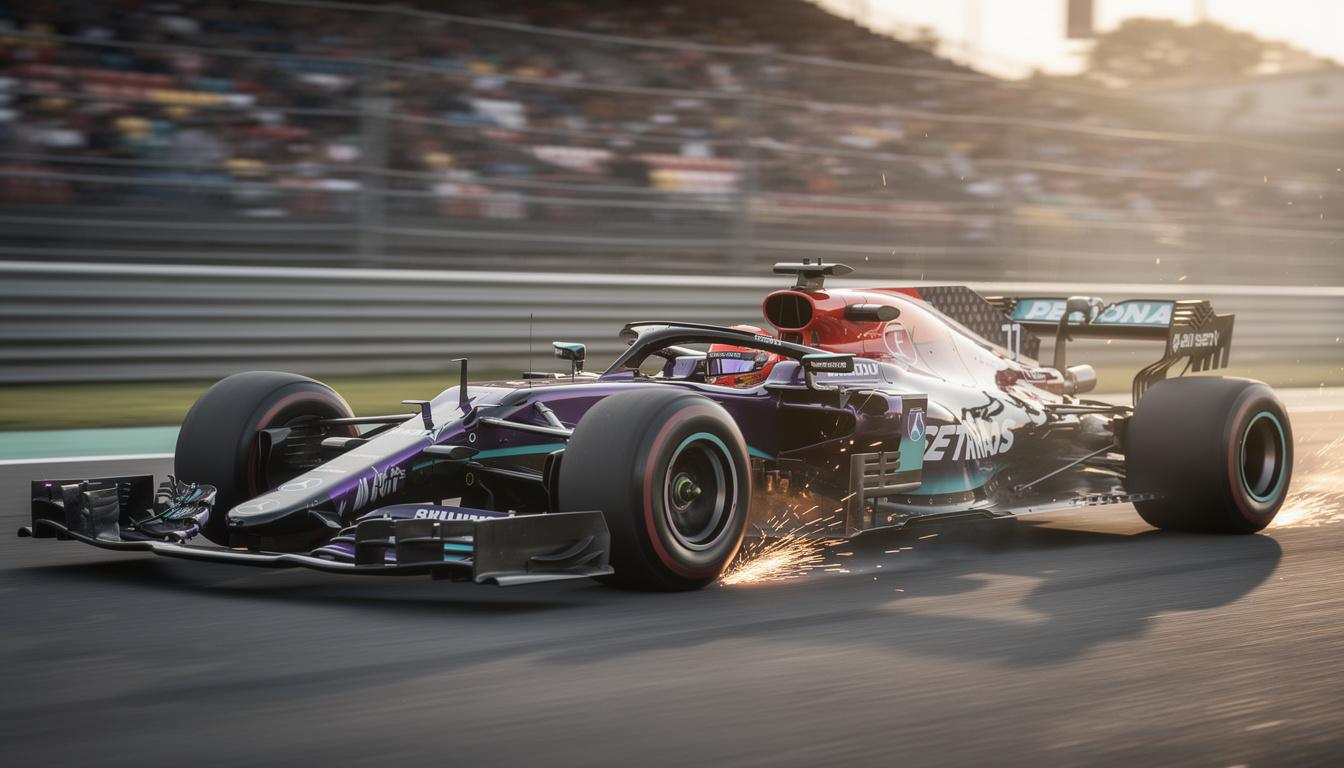
IndyCar’s historical dominance stems from champions like A.J. Foyt, who boasts seven titles, just edging ahead of the likes of Scott Dixon. This seven-title benchmark in three distinct motorsport categories creates a fascinating shared legacy across continents, linking high-speed competition irrespective of track design or racing style.
The Role of Shared Statistics in Motorsport Fandom and Rivalry
These shared records spark intense debates within the motorsports community. Fans and analysts often speculate whether such symmetry in championship success underlines a deeper connection in the nature of competitive driving or reflects the unique challenges of each series. It gives a numerical reference point to compare drivers across different formats, despite the varying technical demands of F1, IndyCar, and NASCAR racing.
Moreover, these parallels highlight how competition trends echo globally, shaping racing tactics, driver development, and technology investments. The seven-title stratum feeds narratives about driver greatness, pushing current competitors to chase similar milestones while appealing to a diverse fanbase. This unity around a ‘shared statistic’ enhances motorsport’s collective identity, bridging the divides between American stock car racing, open-wheel high-speed circuits, and the pinnacle of global formula racing.
Technical and Strategic Insights Behind Seven-Time Title Winners Across Motorsports
Success in Formula 1, IndyCar, and NASCAR requires a perfect blend of driver skill, team strategy, and technical innovation. The seven-time champions mastered not only raw speed and racecraft but also excelled in adapting to evolving regulations and innovative car designs that shaped their era.
For Formula 1, the evolution in aerodynamics and hybrid power units required drivers like Hamilton and Schumacher to integrate their driving style with ever-changing technical landscapes. In contrast, NASCAR places a premium on consistency, race endurance, and team pit strategy across a grueling, long season. IndyCar demands versatility, with its mix of street circuits, ovals, and road courses testing adaptability, a challenge met by champions like Foyt and Dixon.
Shared statistics such as these not only celebrate individual prowess but also reveal the broader narrative of motorsport development. The championship triumphs signify a synergy between man and machine, where incremental improvements in car setup and strategic communications become decisive over the long haul. Teams in all three series focus heavily on data analytics and telemetry to ensure their drivers can navigate the complexities of modern racing and maintain consistency across seasons.
Strategic Evolution and the Future of Motorsport Championships
Looking forward, this seven-title mark sets a formidable target for rising stars in 2026 and beyond. Emerging talents in Formula 1 and American series like IndyCar and NASCAR aim to cement their legacies within this elite club. Current rule changes and technical regulations will further shape how these milestones might be reached, impacting team strategies and driver performances.
This ongoing quest underscores the intense rivalry and passion that define motorsport globally. The shared statistic reinforces a sense of continuity and competition across different racing cultures, elevating the sport’s profile worldwide. As the 2026 season progresses, all eyes will be on those chasing history, pushing the limits of speed and skill to unite racing fans around this powerful motorsport narrative.
For deeper insights into track ownership dynamics and how racing circuits shape competition, visit LAS Motorsport’s detailed analysis. Also, explore recent developments in American motorsports through exclusive coverage of drivers crossing disciplines at LAS Motorsport’s NASCAR reports.